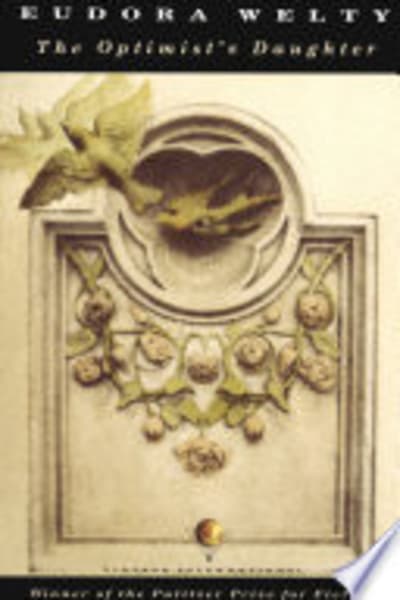
The Optimist's Daughter — Book Summary & Review
by Eudora Welty
Last updated:
The Optimist's Daughter Summary
Eudora Welty's The Optimist's Daughter opens with a poignant scene at the hospital where Judge McKelva lies ill, setting the stage for a meditation on family, memory, and grief. In the section titled The Watch, Welty paints a vivid picture of the tension between Laurel and her father's young second wife, Fay, which serves as a catalyst for Laurel's introspection. Through Laurel's journey back to her childhood home, Welty explores the complexities of familial bonds and the personal histories we carry. The narrative is steeped in rich, Southern detail, and Welty's prose beautifully captures the subtleties of human emotion. Still, readers looking for momentum may find the book's inward, character-driven focus a bit slow. Welty's treatment of grief and reconciliation is tender and relentlessly honest, asking for a patient reader willing to sit with loss and identity.
Key Takeaways from The Optimist's Daughter
-
1
The Watch: Represents the passage of time and the inevitability of change, central to Laurel's understanding of her father's life.
-
2
The House: Symbolizes memory and heritage, serving as a physical manifestation of Laurel's familial connections and history.
-
3
Fay's Role: Highlights cultural and generational clashes, embodying tensions between past and present within Laurel's family dynamics.
-
4
Laurel's Journey: A deep dive into personal grief, illustrating how revisiting the past can lead to acceptance and healing.
-
5
The Bird: Acts as a metaphor for freedom and escape, reflecting Laurel's internal struggle and eventual emotional release.
Who Should Read This
Someone who finds themselves navigating the complexities of familial relationships and is ready for a reflective, character-driven narrative. If you're grappling with how past events shape your present identity, this book offers a nuanced exploration.
Who Shouldn't Read This
If you prefer plot-driven narratives with rapid developments, this book's introspective style might frustrate you. Readers looking for escapism rather than reflection might find its focus on grief and memory too heavy.
Editor's Verdict
Welty's exploration of grief through the chapter 'The Watch' is deeply resonant. Readers looking for light or fast-paced storytelling will find the book's contemplative nature a challenge. If you've recently experienced a significant loss and are seeking literary solace, this book will resonate profoundly.
Ready to read The Optimist's Daughter?
Get your copy on Amazon today.
The Optimist's Daughter — Frequently Asked Questions
About Eudora Welty
Eudora Welty (1909-2001) was an American author born in Jackson, Mississippi. She gained credibility through her keen observations of Southern life, which she vividly portrayed in her writing. Welty's novel "The Optimist's Daughter" won the Pulitzer Prize for Fiction in 1973. Her other notable works include "The Ponder Heart" and "The Collected Stories of Eudora Welty." Her work is celebrated for its lyrical prose and deep exploration of human relationships.