The Man Who Died Twice — Book Summary & Review
Last updated:
The Man Who Died Twice Summary
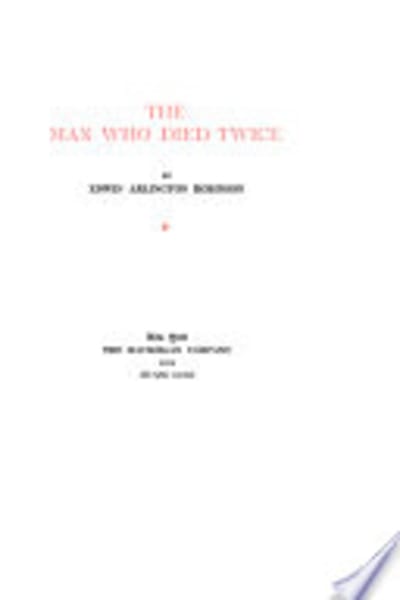
In The Man Who Died Twice, Edwin Arlington Robinson builds his tragedy around a repeated cycle of death and return, and the book’s tight structure makes that idea feel less like fantasy and more like a moral trap. The story follows a man whose life seems to break in two—once when he “dies,” and again when something in him reappears changed, as if the world keeps collecting the same soul and billing it for new mistakes. Robinson’s core move is to treat the supernatural premise as a way to examine ordinary cruelty: how communities label people, how grief curdles into gossip, and how a second chance can arrive carrying the same old judgement.
One of the clearest ways Robinson signals this is through his recurring focus on public talk versus private reality. Even when the narrative turns toward the uncanny, the emotional engine stays human: fear, resentment, and the relief people feel when they can explain someone else’s suffering. Robinson also leans on a stark tonal contrast—plain speech for everyday events, then a colder register when the “second death” logic starts to settle in. That contrast is why the book never feels like pure spectacle.
A concrete example: the community’s reaction to the man after his return keeps shifting, but the pattern doesn’t. They want him to confirm their story, and when he doesn’t, they punish him with silence and suspicion. That pressure culminates in the book’s most bitter sense of irony—survival doesn’t erase the damage; it just gives the damage more time to harden.
The honest limitation: Robinson doesn’t explain the mechanics of the death-and-return premise, and there’s little comfort or catharsis. If you want plot-heavy mystery or a neatly resolved moral argument, you’ll feel shortchanged by the book’s bleak, compressed atmosphere.
Key Takeaways from The Man Who Died Twice
-
1
Death-and-Return Cycle: Robinson treats the second death as a social event, not a supernatural fix for harm.
-
2
Community Labeling: Public talk becomes a force that reshapes how the man is allowed to exist after returning.
-
3
Grief-to-Gossip Shift: Robinson shows mourning curdling into explanation, where pain turns into a weapon.
-
4
Second Chance Irony: Survival arrives with the same judgement attached, so time only intensifies consequences.
-
5
Plain-vs-Cold Register: Robinson’s tonal contrast marks when ordinary life stops being safe and starts being cruel.
Who Should Read This
Someone who’s tired of “redemption” stories where everyone conveniently learns their lesson will like how Robinson makes a second chance feel compromised. If you’re stuck in a cycle of being judged for your past, this book’s community pressure will land uncomfortably close.
Who Shouldn't Read This
If you need a clear backstory, rules for the supernatural premise, or a satisfying explanation of what “died twice” means mechanically, you’ll be frustrated. If you prefer longer, character-breathing fiction with multiple viewpoints, Robinson’s brevity and bleakness will feel too austere.
Editor's Verdict
The single best thing Robinson does is use the death-and-return cycle to expose how communities rewrite reality—especially in the man’s post-return treatment, where talk replaces truth. The real limitation is that Robinson offers almost no explanation or comfort, leaving the premise emotionally effective but structurally opaque. If you’re the kind of reader who wants meaning to be spelled out before the last page, this will disappoint you; if you’re grieving or resentful and want that raw pressure mirrored, it hits hardest.
Ready to read The Man Who Died Twice?
Get your copy on Amazon today.
The Man Who Died Twice — Frequently Asked Questions
About Edwin Arlington Robinson
Edwin Arlington Robinson (1869–1935) was an American poet from Maine, educated in local schools and shaped by years of observing small-town life and its moral struggles. He is credible on the topic of “The Man Who Died Twice” because he wrote the poem directly, drawing on his established literary focus on character, conscience, and tragedy. His other notable works include “Richard Cory” and “The Children of the Night.”