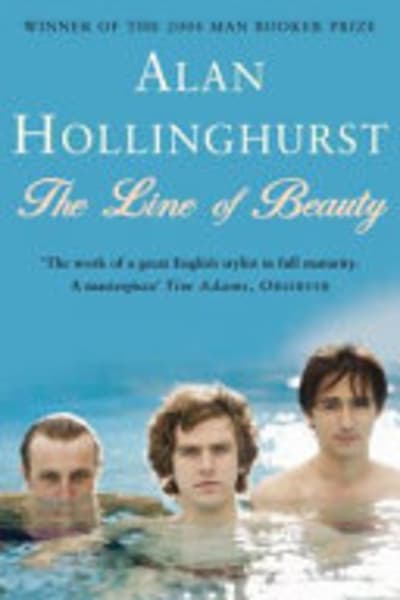
The Line of Beauty — Book Summary & Review
Last updated:
The Line of Beauty Summary
The Line of Beauty opens with a vivid portrayal of Nick Guest's fascination with the opulent yet morally ambiguous world of the Feddens, set against the backdrop of 1980s Britain. Hollinghurst deftly introduces us to a society where appearances mask deeper truths, a theme he explores through Nick's relationships and the broader sociopolitical climate. The chapter 'The End of the Street' captures the essence of Nick's journey, highlighting his entanglement in the Feddens' lives and his own quest for identity. Hollinghurst's narrative is rich and meticulously detailed, laced with irony and humor, which makes the societal critique both biting and engaging. However, the novel's focus on the intricacies of the elite's lifestyle may alienate readers looking for a more diverse representation of the LGBTQ experience. The book excels in its atmospheric depiction of Thatcher-era Britain but doesn't extend its lens beyond this particular social circle.
Key Takeaways from The Line of Beauty
-
1
The Line of Beauty: Hollinghurst uses this motif to symbolize the pursuit of elegance and perfection amidst personal and societal chaos.
-
2
The Notting Hill Set: Represents the intersection of politics, wealth, and personal relationships, revealing the era's intricate social dynamics.
-
3
Nick's Dual Life: Explores the tension between his public persona within the Feddens' world and his private life as a gay man.
-
4
The Feddens' Influence: Demonstrates how political power and privilege can distort personal relationships and moral values.
-
5
The AIDS Crisis: Hollinghurst subtly weaves this looming threat into the narrative, reflecting its impact on the gay community.
Who Should Read This
Someone who enjoys richly detailed character studies set against historical backdrops will find this book rewarding. If you're fascinated by the interplay of politics, sexuality, and personal ambition during the 1980s, this novel will resonate.
Who Shouldn't Read This
If you prefer fast-paced narratives or need diverse LGBTQ representation, this might not be for you. The focus on upper-class British society in the '80s won't satisfy readers seeking a broader cultural or temporal scope.
Editor's Verdict
Hollinghurst's keen eye for social nuance and character depth shines in the chapter 'Ogee', where Nick's worlds collide. The novel's narrow focus on a singular social class may limit its appeal to readers seeking broader narratives. Anyone grappling with the complexities of identity and ambition in their 20s will find it especially poignant.
Ready to read The Line of Beauty?
Get your copy on Amazon today.
The Line of Beauty — Frequently Asked Questions
About Alan Hollinghurst
Alan Hollinghurst is a British novelist born on May 26, 1954, in Stroud, England. He studied English at Magdalen College, Oxford, where he also taught for some time. Hollinghurst is known for his exploration of gay themes in literature, particularly evident in his Booker Prize-winning novel, "The Line of Beauty" (2004). His credibility on this topic is rooted in his own experiences as a gay man. Other notable works include "The Swimming-Pool Library" (1988) and "The Stranger's Child" (2011).