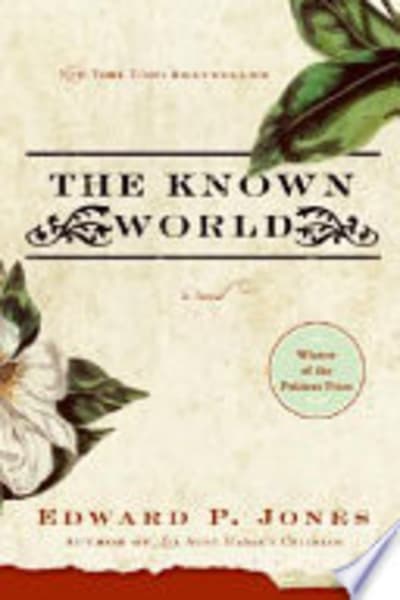
The Known World — Book Summary & Review
Last updated:
The Known World Summary
Jones structures *The Known World* around the life and death of Henry Townsend, a black slaveowner in antebellum Virginia, creating a complex mosaic of interconnected lives. The story begins with Henry’s unusual mentorship under William Robbins, a powerful white man, and his subsequent rise as a plantation owner. Chapters like "The Passing of Henry Townsend" highlight the precarious balance between power and morality, as his widow Caldonia struggles with grief and the disintegration of their estate. Jones skillfully shifts between past and future, revealing the intricate social fabric and moral ambiguities of slavery. However, the novel's non-linear narrative and frequent character shifts might frustrate readers who prefer a straightforward, chronological plot.
Key Takeaways from The Known World
-
1
Henry Townsend's Dilemma: Explores the moral complexities faced by a black slaveowner in a society built on racial oppression.
-
2
William Robbins' Influence: Shows the power dynamics between a white mentor and his black protégé, revealing deep-seated racial tensions.
-
3
Caldonia's Grief: Her emotional turmoil exemplifies the personal costs of maintaining a plantation and its human toll.
-
4
The Role of Patrollers: Highlights the societal enforcement mechanisms that keep the institution of slavery intact.
-
5
Speculators’ Market: Depicts the brutal reality of free black individuals being sold into slavery, challenging notions of freedom.
Who Should Read This
Someone who wants a nuanced exploration of the moral complexities within slavery, especially from the perspective of black slaveholders. If you’re grappling with the multifaceted legacy of racial history, this book offers a layered narrative to consider.
Who Shouldn't Read This
If you dislike non-linear narratives with frequent shifts in perspective, this book may not hold your interest. Those seeking a purely uplifting or straightforward historical account might find its moral ambiguities unsettling.
Editor's Verdict
Jones excels in creating a morally complex world, vividly illustrated in the chapter "The Passing of Henry Townsend." The narrative's frequent time shifts can be disorienting for those who prefer chronological storytelling. This book hits hardest if you're wrestling with the complexities of historical narratives and their modern implications.
Ready to read The Known World?
Get your copy on Amazon today.
The Known World — Frequently Asked Questions
About Edward P. Jones
Edward P. Jones, born in 1950 in Washington, D.C., is an acclaimed American author known for his novel "The Known World," which won the Pulitzer Prize for Fiction in 2004. His credibility on the topic of slavery and its complexities stems from extensive research and a deep understanding of African American history. Jones has also authored the short story collections "Lost in the City," which won the PEN/Hemingway Award, and "All Aunt Hagar's Children."