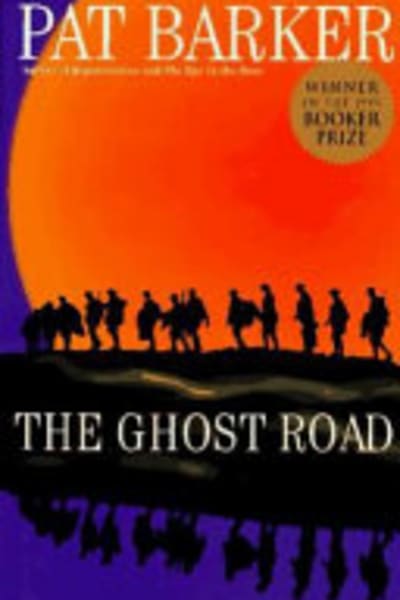
The Ghost Road — Book Summary & Review
by Pat Barker
Last updated:
The Ghost Road Summary
In *The Ghost Road*, Barker juxtaposes William Rivers' memories of a South Pacific tribe with the grim realities of World War I. The novel weaves between Rivers' reflections and Billy Prior's experiences, highlighting the stark contrast between the two worlds. The chapter titled "The Island" vividly illustrates Rivers’ anthropological past, providing a lens to examine the brutalities of war. Barker's portrayal of Prior, a working-class officer, delves deep into the class struggles and internal conflicts faced by soldiers. However, the novel's heavy thematic focus might alienate readers looking for a linear war narrative, as it oscillates between psychological introspection and historical events.
Key Takeaways from The Ghost Road
-
1
"The Island": Rivers' reflections on a tribal culture showcase an alternate perspective on mortality and war.
-
2
"Ghosts in the Making": Barker explores the haunting future of soldiers, emphasizing the inevitability of death in war.
-
3
"Class Struggles": Through Billy Prior, Barker highlights the tensions and shifts experienced by the working class during the war.
-
4
"The Culture of Death": Rivers' studies question Western perceptions of war, providing a cultural critique through his anthropological lens.
-
5
"Mental Casualties": The depiction of war neuroses underscores the psychological impact of conflict and the moral dilemmas faced by medics.
Who Should Read This
Someone who seeks a deep dive into the psychological impact of war on individuals and society. If you’re intrigued by the interplay of anthropology and history, this book will resonate.
Who Shouldn't Read This
If you're looking for a straightforward war story with a linear plot, Barker's narrative might feel disjointed. Anyone expecting purely action-driven sequences will be frustrated by the book's introspective and thematic depth.
Editor's Verdict
Barker's ability to intertwine Rivers' anthropological insights with the horrors of war is striking, especially in the chapter "The Island". However, the narrative's shifting timelines can confuse those not prepared for non-linear storytelling. For anyone grappling with the moral complexities of war, this book offers a profound exploration at a pivotal moment of reflection.
Ready to read The Ghost Road?
Get your copy on Amazon today.
The Ghost Road — Frequently Asked Questions
About Pat Barker
Pat Barker is a British author born on May 8, 1943, in Thornaby-on-Tees, England. She is renowned for her historical fiction, particularly focusing on themes of war and memory. Barker gained credibility on war topics through her Regeneration Trilogy, which explores World War I's psychological impact, culminating in the Booker Prize-winning novel "The Ghost Road" (1995). Other notable works include "Regeneration" (1991) and "The Eye in the Door" (1993).