March — Book Summary & Review
Last updated:
March Summary
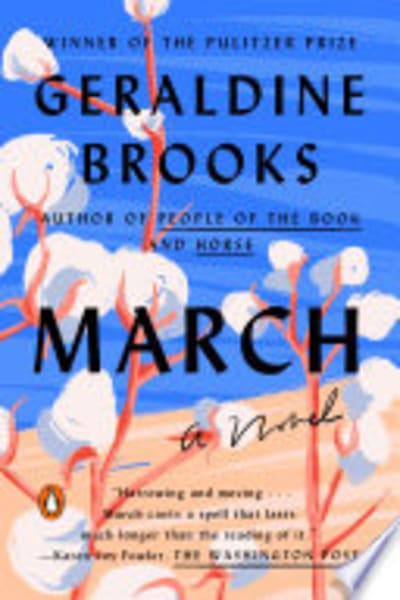
Geraldine Brooks' 'March' intricately explores the life of Mr. March, the absent father from Louisa May Alcott's 'Little Women', through the lens of the Civil War. The book opens with March's harrowing experiences at the Battle of Ball's Bluff, highlighting the brutal reality of war and its impact on his ideals. Brooks divides the narrative into sections like 'Virginia' and 'Washington', each immersing readers into March's evolving psyche as he grapples with his beliefs and loyalty. The historical context is rich, giving a voice to the inner turmoil of March as he writes letters home, struggling with the gap between his ideals and the grim realities he faces. However, some readers might find the shift in tone and focus from Alcott's original work jarring, especially if they expect a seamless continuation of 'Little Women'. Brooks' novel is more about the internal conflict and less about the beloved family dynamics, which could frustrate those looking for a nostalgic revisit to the March family.
Key Takeaways from March
-
1
Battle of Ball's Bluff: This event highlights March's first real taste of war's chaos and the shattering of his romantic ideals.
-
2
Virginia Section: Chronicles March's experiences in a Southern plantation, challenging his views on slavery and humanity.
-
3
Letters Home: These letters serve as a narrative device, revealing March's internal conflicts and the facade he presents to his family.
-
4
Washington Section: Depicts March's time in a war hospital, forcing him to confront the physical and emotional toll of the Civil War.
-
5
Marlowe's Influence: A fellow abolitionist, Marlowe challenges March's beliefs, adding depth to his moral and ethical dilemmas.
Who Should Read This
If you’re intrigued by the untold stories behind classic literature, this book offers a fresh perspective on a familiar character. Someone who enjoys historical fiction with a strong focus on personal conflict will find this novel rewarding.
Who Shouldn't Read This
If you're seeking a continuation of the cozy family dynamics from 'Little Women', this book might disappoint. Its focus on war and internal strife may not satisfy those looking for light-hearted escapism.
Editor's Verdict
Brooks excels in weaving historical detail with emotional depth, particularly in the 'Virginia' section. The book can feel overly heavy for those expecting a direct sequel to 'Little Women'. It resonates most with readers at the crossroads of understanding history's personal impact, especially those questioning their own ideals.
Ready to read March?
Get your copy on Amazon today.
March — Frequently Asked Questions
About Geraldine Brooks
Geraldine Brooks, born in Sydney, Australia, is a Pulitzer Prize-winning author and journalist. She earned a Bachelor of Arts from the University of Sydney and a Master’s in Journalism from Columbia University. Brooks' credibility on historical fiction is bolstered by her extensive journalism career, including her work as a foreign correspondent for The Wall Street Journal. Notable works include "People of the Book" and "Caleb's Crossing," both of which showcase her skill in weaving historical narratives.