Lincoln in the Bardo — Book Summary & Review
Last updated:
Lincoln in the Bardo Summary
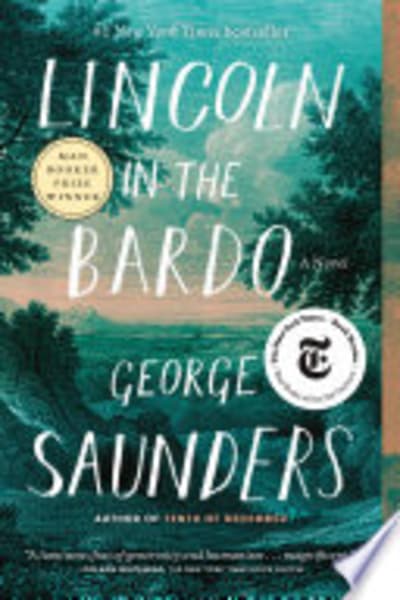
George Saunders introduces readers to the unique concept of the 'bardo', a Tibetan purgatory where his characters reside. This novel is not just historical fiction; it’s a supernatural exploration of grief and love, as seen through the eyes of ghosts inhabiting the cemetery where young Willie Lincoln is buried. The narrative structure is fragmented, with a chorus of voices — both living and dead — which adds both depth and challenge to the reader's experience. An especially poignant moment comes in the section titled 'The Sickness Unto Death', which captures the heart-wrenching reality of Lincoln’s sorrow. While Saunders excels at creating a vivid, otherworldly atmosphere, the book's experimental style might frustrate those who prefer linear storytelling. Notably, the absence of a traditional plot may leave some readers feeling adrift despite the novel's emotional resonance.
Key Takeaways from Lincoln in the Bardo
-
1
The Bardo: A transitional state where ghosts linger, reflecting on their past lives and unresolved issues.
-
2
Multiple Narratives: Saunders uses numerous voices to weave a rich tapestry of perspectives on grief and love.
-
3
Historical Allusions: References to Lincoln's presidency add layers to the fictional elements, grounding the story.
-
4
The Sickness Unto Death: A chapter that illustrates the depth of Lincoln’s emotional turmoil over Willie's death.
-
5
Nonlinear Structure: The story unfolds through fragmented voices, requiring readers to piece together the narrative.
Who Should Read This
Someone grappling with the complexities of grief and looking for a novel that mirrors those emotions in unexpected ways. If you appreciate stories that blend history with the supernatural, this book offers a unique take.
Who Shouldn't Read This
If you dislike nonlinear narratives or prefer straightforward storytelling, this novel's fragmented style may be a dealbreaker. Those expecting a traditional historical fiction might be frustrated by its supernatural and experimental elements.
Editor's Verdict
Saunders' use of the bardo concept is the novel's standout feature, offering a fresh perspective on life after death. Its fragmented narrative, however, can be disorienting for readers seeking a clear storyline. This book resonates most with those at a crossroads in their understanding of grief, especially during times of personal loss.
Ready to read Lincoln in the Bardo?
Get your copy on Amazon today.
Lincoln in the Bardo — Frequently Asked Questions
About George Saunders
George Saunders is an acclaimed American author born on December 2, 1958, in Amarillo, Texas. He is best known for his novel "Lincoln in the Bardo," which won the 2017 Man Booker Prize. Saunders' background in engineering and his MFA from Syracuse University inform his imaginative storytelling and narrative style. He is also renowned for his short story collections, including "Tenth of December" and "Pastoralia," which showcase his ability to blend satire with profound human insights.