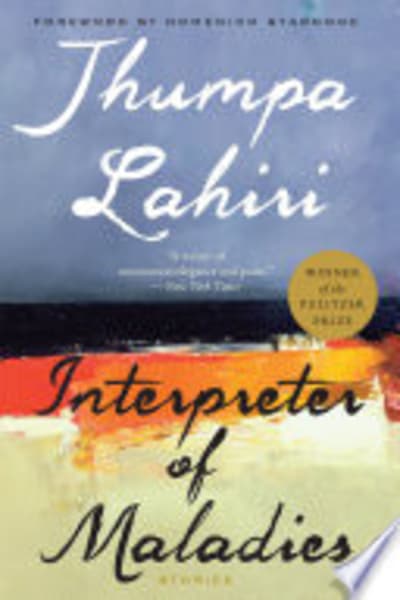
Interpreter of Maladies — Book Summary & Review
Last updated:
Interpreter of Maladies Summary
In 'A Temporary Matter', the opening story of Lahiri's collection, Shoba and Shukumar's relationship is laid bare during nightly power outages, where their shared secrets unravel their fragile marriage. Lahiri uses this story to set the tone for 'Interpreter of Maladies', a collection that thrives on the emotional and cultural dissonance between Indian and Indian-American characters. Each tale, like 'When Mr. Pirzada Came to Dine', offers a unique lens into the immigrant experience — highlighting the emotional tug-of-war between tradition and assimilation. Lahiri excels at crafting intimate moments, such as Mr. Kapasi’s fleeting connection with Mrs. Das in the titular story, which reveals the unspoken chasms in their lives. However, readers seeking intricate plot twists or high-stakes drama may find themselves disappointed, as Lahiri's strength lies more in quiet moments of reflection than in fast-paced storytelling.
Key Takeaways from Interpreter of Maladies
-
1
A Temporary Matter: Power outages become a metaphor for emotional exposure, pushing a couple toward uncomfortable truths.
-
2
Mr. Pirzada's Visits: Illustrates how cultural and historical contexts shape personal bonds and perceptions.
-
3
Interpreter of Maladies: Highlights the gap between expectation and reality in intercultural interactions.
-
4
A Real Durwan: Boori Ma's tale underscores the precariousness of status and belonging in a rapidly changing society.
-
5
Mrs. Sen's Isolation: Explores the deep longing and alienation that accompany the immigrant experience.
Who Should Read This
Someone who feels caught between two cultures and seeks solace in stories of shared experiences. If you're grappling with cultural identity or relationship complexities, this book resonates deeply.
Who Shouldn't Read This
If you're looking for fast-paced narratives or intricate plot twists, Lahiri's collection may not satisfy. Her focus on emotional nuance and cultural introspection might frustrate those craving action-driven stories.
Editor's Verdict
Lahiri's ability to capture intimate, relatable moments is the collection's greatest strength, as seen in 'Sexy'. However, the lack of high-stakes drama may disappoint those seeking more traditional storytelling arcs. Anyone navigating the complexities of cultural identity will find these stories hit hardest during times of personal reflection.
Ready to read Interpreter of Maladies?
Get your copy on Amazon today.
Interpreter of Maladies — Frequently Asked Questions
About Jhumpa Lahiri
Jhumpa Lahiri, born on July 11, 1967, in London to Indian immigrants, is an acclaimed author known for exploring the Indian-American experience. Raised in South Kingstown, Rhode Island, she earned degrees from Boston University, including an MFA in Creative Writing. Her debut collection, "Interpreter of Maladies," won the Pulitzer Prize for Fiction in 2000. Lahiri's other notable works include "The Namesake" (2003) and "The Lowland" (2013), both of which delve into themes of identity and cultural dislocation.