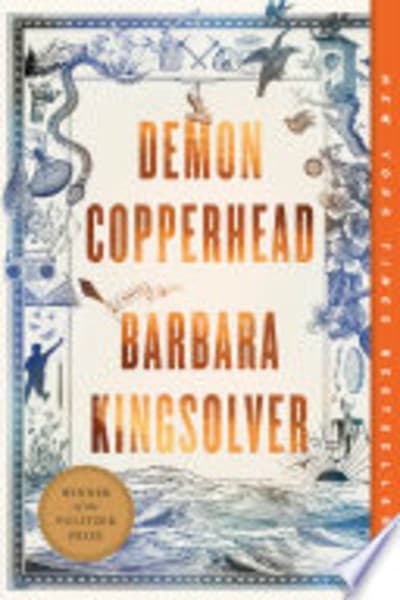
Demon Copperhead — Book Summary & Review
Last updated:
Demon Copperhead Summary
In 'Demon Copperhead', Kingsolver weaves the raw, unfiltered voice of a young boy born into adversity in the Appalachian Mountains. The novel echoes Dickens’ 'David Copperfield', reimagining it through the lens of modern America’s opioid crisis and rural poverty. Kingsolver introduces us to the chapter titled 'The Fallout', where the protagonist's struggle with addiction and its ripple effect on his life is poignantly detailed. Her narrative style is immersive, pulling readers into the harsh realities of foster care and societal neglect. However, the book may frustrate those looking for a lighter read or a neatly wrapped-up ending, as it holds no punches in its portrayal of relentless hardship and survival. Despite its hefty length, 'Demon Copperhead' captures the essence of resilience, but lacks a concise resolution, which might leave some readers wanting more closure.
Key Takeaways from Demon Copperhead
-
1
The Fallout: Chronicles the protagonist's descent into addiction, illustrating the personal and communal impact of the opioid crisis.
-
2
Copperhead's Wit: Demonstrates how humor serves as a survival tool for the protagonist in an unforgiving environment.
-
3
Foster Care Maze: Highlights the chaotic and often neglectful system that fails to protect vulnerable children.
-
4
Invisibility Theme: Explores the societal neglect of rural communities, contrasting with urban-centric narratives.
-
5
Athletic Escape: Shows how sports present a temporary escape and sense of identity for the protagonist amid chaos.
Who Should Read This
If you are grappling with understanding the opioid crisis from a deeply personal perspective, this novel offers a human face to the statistics. Someone who appreciates narratives steeped in social realism and character resilience will find this book engaging.
Who Shouldn't Read This
If you prefer stories with happy endings or lighter themes, the relentless struggles depicted here may prove too heavy. The book's unflinching portrayal of hardship and lack of a tidy conclusion might disappoint those seeking escapism.
Editor's Verdict
Kingsolver masterfully reimagines Dickens' classic through the eyes of a modern, struggling youth in 'The Fallout'. However, the narrative's relentless focus on hardship can become overwhelming and lacks a definitive resolution. This book resonates deeply if you're grappling with the complexities of rural poverty and addiction, especially during a reflective period in your life.
Ready to read Demon Copperhead?
Get your copy on Amazon today.
Demon Copperhead — Frequently Asked Questions
About Barbara Kingsolver
Barbara Kingsolver, born in 1955 in Annapolis, Maryland, is an acclaimed American author and biologist. She holds a degree in biology from DePauw University and a Master’s in ecology from the University of Arizona, lending credibility to her exploration of environmental and social themes. Kingsolver's notable works include "The Poisonwood Bible" and "The Bean Trees." Her novel "Demon Copperhead," inspired by Charles Dickens' "David Copperfield," addresses issues of poverty and addiction in rural America.