Amsterdam — Book Summary & Review
by Ian McEwan
Last updated:
Amsterdam Summary
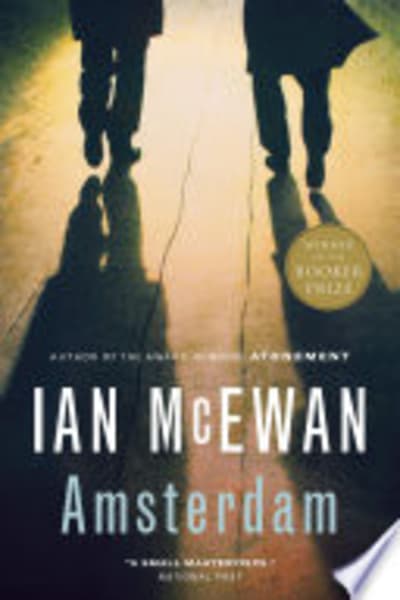
Ian McEwan’s 'Amsterdam' kicks off with a poignant scene at Molly Lane's funeral, setting the stage for a tale of moral dilemmas and failed friendships. McEwan pulls the reader through the conflicting worlds of Clive Linley, a composer, and Vernon Halliday, an editor, as they both grapple with decisions that test their integrity. The chapter titled 'The Lake District' exemplifies McEwan's skill in juxtaposing the beauty of nature with internal turmoil, leading to pivotal moments for both characters. While the book expertly dissects themes of ambition and betrayal, it doesn't quite flesh out the female characters, leaving them more as plot devices than people. This may frustrate those looking for a balanced exploration of all the characters involved.
Key Takeaways from Amsterdam
-
1
Moral Pacts: Clive and Vernon's agreement that leads to unexpected and dire consequences, questioning the nature of promises.
-
2
Public vs. Private: Examines Julian Garmony's dual life as a politician and private individual, highlighting political hypocrisy.
-
3
Creative Obsession: Clive's fixation on his symphony, which blinds him to moral and relational responsibilities.
-
4
Media Power: Vernon's editorial decisions impact Garmony's career, showcasing the media's influence on politics.
-
5
Friendship's Fragility: The deterioration of Clive and Vernon's relationship highlights the precarious nature of male friendships.
Who Should Read This
Someone who enjoys stories of complex moral choices and the consequences they spawn. If you're fascinated by the interplay between art, media, and politics, this book will resonate.
Who Shouldn't Read This
If you require deep, multidimensional female characters, this book may disappoint. McEwan focuses primarily on the male protagonists, leaving female figures underdeveloped.
Editor's Verdict
The best aspect of 'Amsterdam' is its exploration of moral complexity, especially in the chapter 'The Lake District'. Its major flaw is the underdevelopment of female characters, which feels like a missed opportunity. Anyone grappling with the ethical dilemmas of ambition and personal relationships will find this book particularly engaging.
Ready to read Amsterdam?
Get your copy on Amazon today.
Amsterdam — Frequently Asked Questions
About Ian McEwan
Ian McEwan is a renowned British author born on June 21, 1948, in Aldershot, England. He studied at the University of Sussex and the University of East Anglia, where he completed an MA in Creative Writing. McEwan is a credible voice in contemporary literature, known for his incisive prose and complex characters. His novel "Amsterdam" won the Booker Prize in 1998. Other notable works include "Atonement" and "The Child in Time," both critically acclaimed for their narrative depth and psychological insight.