All the Light We Cannot See — Book Summary & Review
Last updated:
All the Light We Cannot See Summary
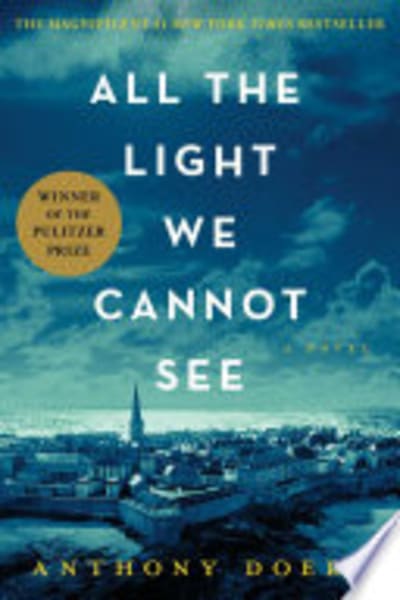
Doerr's novel, 'All the Light We Cannot See,' captivates with its intricate intertwining of Marie-Laure's and Werner's lives, against the backdrop of World War II. One of the standout moments is when Marie-Laure relies on the miniature model of Saint-Malo, crafted by her father, to navigate her surroundings independently, a poignant symbol of resilience. The chapter 'The Sea of Flames' adds an intriguing layer, weaving mythology into the personal and historical narrative. Doerr skillfully contrasts the innocence of young Werner, enthralled by the workings of radios, with his eventual role as a tool of the Nazi regime. While Doerr paints a vivid picture of occupied France and the moral complexities of war, some might find the pacing uneven, with the dual timelines occasionally lacking cohesion. For those seeking an in-depth exploration of every character's motivations, this book might not entirely satisfy, as it leans heavily on atmosphere and historical context over detailed psychological analysis.
Key Takeaways from All the Light We Cannot See
-
1
The Model of Saint-Malo: Marie-Laure's father's creation helps her navigate the world, representing independence and adaptation.
-
2
The Sea of Flames: A mysterious gem that ties together themes of myth, greed, and survival across different lives and timelines.
-
3
Radio Waves: Illustrates the invisible threads connecting people, as Werner's passion for radios becomes a metaphor for unseen connections.
-
4
Werner's Journey: His progression from curious youth to soldier highlights the loss of innocence and moral dilemmas of wartime.
-
5
Saint-Malo Occupation: The setting underscores the tension between oppression and the human spirit's resilience in a war-torn landscape.
Who Should Read This
If you're grappling with the moral ambiguities of history and how they shape individual destinies, this book offers ample reflection. Someone who appreciates richly atmospheric narratives set against historical backdrops will find it rewarding.
Who Shouldn't Read This
If you prefer fast-paced plots or detailed character studies, this might not be your cup of tea. The narrative's focus on atmosphere and historical setting might leave those desiring deep psychological insights unsatisfied.
Editor's Verdict
The novel excels in creating a lush, immersive atmosphere, particularly in chapters like 'The Sea of Flames.' However, its slower pacing and focus on historical context over character depth may not appeal to everyone. For those reflecting on the impact of war on innocence and morality, especially during a historical study, this book resonates deeply.
Ready to read All the Light We Cannot See?
Get your copy on Amazon today.
All the Light We Cannot See — Frequently Asked Questions
About Anthony Doerr
Anthony Doerr is an American author born on October 27, 1973, in Cleveland, Ohio. He is best known for his Pulitzer Prize-winning novel "All the Light We Cannot See," which explores themes of war and human connection. Doerr holds a BA from Bowdoin College and an MFA from Bowling Green State University. His expertise in historical fiction is further demonstrated in works like "About Grace" and the short story collection "The Shell Collector."