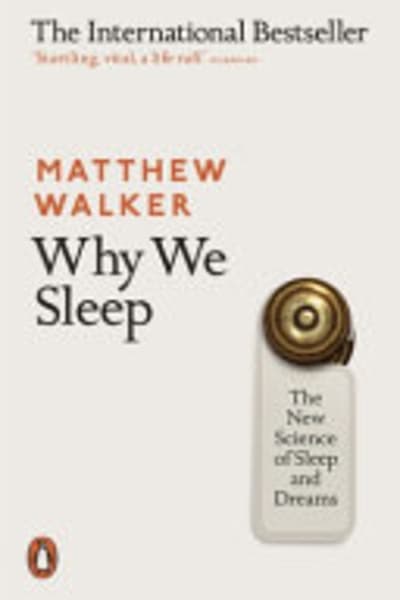
Why We Sleep — Book Summary & Review
Last updated:
Why We Sleep Summary
Walker’s book, “Why We Sleep,” is built on the argument that sleep isn’t a luxury but a necessity, essential to survival alongside food and water. In the chapter “Sleep and Health,” Walker lays out how sleep loss damages everything from the immune system to the likelihood of serious diseases such as Alzheimer’s. He leans hard on the science of sleep, with examples like REM sleep and its connection to creativity and problem-solving. For all its engaging survey of sleep’s many functions, the book offers little for readers who want a serious psychological analysis of dreams and what they might mean. Walker’s writing is clear and useful, but if you’re hunting for a study of dream psychology, you’ll likely feel underfed.
Key Takeaways from Why We Sleep
-
1
REM Sleep: Walker explains that REM sleep is essential for creativity and solving complex problems.
-
2
Sleep Spindles: These bursts of brain activity during NREM sleep help in memory consolidation and learning.
-
3
Chronotype: Walker introduces the concept of chronotypes, explaining how they determine optimal sleep patterns for individuals.
-
4
Sleep Pressure: This term refers to the body's increasing need for sleep the longer you stay awake, crucial for maintaining health.
-
5
Sleep Hygiene: Walker offers practical advice on improving sleep through environment and behavioral adjustments, like reducing screen time before bed.
Who Should Read This
If you're struggling to understand why you feel exhausted despite sleeping, this book can illuminate the underlying causes. Someone who wants to optimize their health by improving their sleep will find Walker's research invaluable.
Who Shouldn't Read This
If you're seeking an exploration of the psychological aspects of dreams, this book will leave you wanting. Walker focuses more on the biological impacts of sleep rather than its psychological dimensions.
Editor's Verdict
The best thing about this book is its thorough explanation of how sleep impacts physical health, as covered in 'Sleep and Health'. However, it lacks depth in exploring the psychological aspects of dreaming. It's perfect for anyone who wants to improve their sleep for better health outcomes, especially if you're tired of quick-fix sleep solutions.
Ready to read Why We Sleep?
Get your copy on Amazon today.
Why We Sleep — Frequently Asked Questions
About Matthew Walker
Matthew Walker is a British neuroscientist and sleep expert, renowned for his book "Why We Sleep." He earned his Ph.D. in neurophysiology from the Medical Research Council in London and later became a professor of neuroscience and psychology at the University of California, Berkeley. Walker's credibility stems from his extensive research on sleep and its impact on human health. He has also contributed to academic publications and co-authored "The Overnight Brain: The Direct and Indirect Benefits of Sleep on Memory."