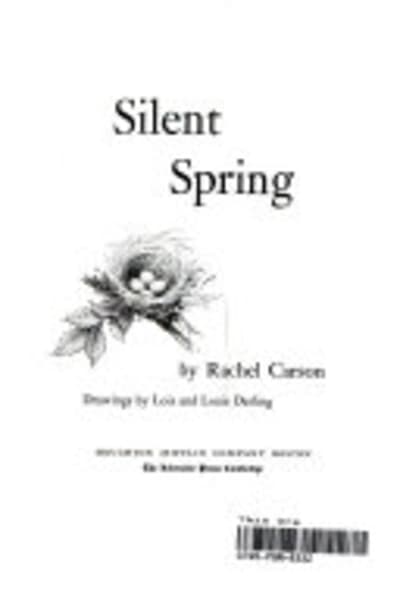
Silent Spring — Book Summary & Review
Last updated:
Silent Spring Summary
Silent Spring opens with a vivid account of a town silenced by the overuse of pesticides, setting the stage for Carson's exploration of ecological balance. Carson meticulously argues against the indiscriminate spraying of chemicals like DDT, grounding her claims in scientific research and case studies, such as the chapter 'And No Birds Sing,' which details the lethal impact on avian populations. Her narrative is a clarion call for the use of biological controls over chemical solutions. Carson's prose is both accessible and scientifically rigorous, a rare combination that adds weight to her arguments. However, the book does not provide a detailed blueprint for regulatory changes, which might frustrate those looking for immediate solutions to environmental crises. While Carson excels at diagnosing the problem, her advocacy for change is more inspirational than prescriptive.
Key Takeaways from Silent Spring
-
1
Biological Control: Carson advocates for using natural predators over chemicals to maintain ecological balance and reduce pests.
-
2
Elixirs of Death: This term describes the lethal pesticides that devastate ecosystems, highlighting the unintended consequences of chemical use.
-
3
The Other Road: Carson suggests an alternative path focused on sustainable practices and long-term ecological health, as opposed to quick chemical fixes.
-
4
And No Birds Sing: This chapter illustrates the drastic decline in bird populations due to pesticide exposure, emphasizing ecosystem fragility.
-
5
The Human Element: Carson highlights how human intervention can destabilize natural environments, urging for more thoughtful, science-backed decisions.
Who Should Read This
Someone who is grappling with the complexities of environmental ethics and seeks a foundational understanding of ecological issues. If you feel overwhelmed by today's environmental challenges and want historical context, this book is your starting point.
Who Shouldn't Read This
If you're looking for a modern analysis of current environmental policies, Carson's 1962 perspective might feel outdated. Those expecting a detailed action plan for immediate environmental reform will find the book lacking in concrete solutions.
Editor's Verdict
Silent Spring excels in illustrating the interconnectedness of ecosystems, particularly in 'And No Birds Sing.' However, it lacks concrete steps for policy implementation. This book resonates most with readers seeking to understand the origins of environmental advocacy before diving into today's complex issues.
Ready to read Silent Spring?
Get your copy on Amazon today.
Silent Spring — Frequently Asked Questions
About Rachel Carson
Rachel Carson was an American marine biologist, author, and conservationist born on May 27, 1907, in Springdale, Pennsylvania. She earned a master's degree in zoology from Johns Hopkins University. Carson's expertise in ecology and her work with the U.S. Fish and Wildlife Service established her credibility. Her groundbreaking book "Silent Spring" (1962) highlighted the dangers of pesticides, leading to a shift in environmental policies. Other notable works include "The Sea Around Us" (1951) and "Under the Sea-Wind" (1941).