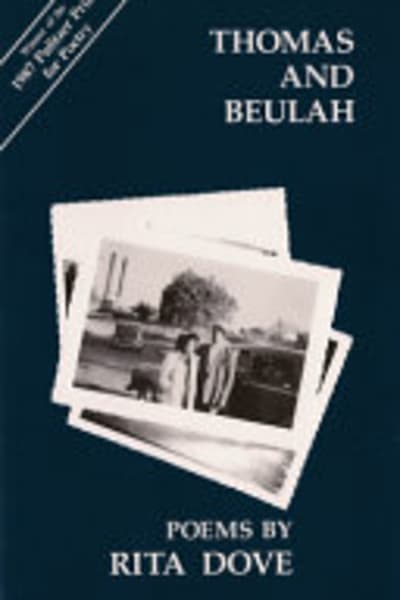
Thomas and Beulah — Book Summary & Review
by Rita Dove
Last updated:
Thomas and Beulah Summary
Thomas and Beulah is organized around the braided presence of a couple and their world, so Rita Dove keeps returning to domestic scenes, memory, and the cost of love as if they’re all part of one long, recurring conversation. The book’s structure matters: it doesn’t march forward with a plot so much as it circles back, tightening the emotional lens each time, and Dove’s language treats ordinary objects—light, fabric, footsteps—as if they’re evidence in a case. A reader can feel Dove building a rhythm of witness, where “what happened” is inseparable from “how it’s remembered,” and the poem-sequences work like variations on a theme. Dove also makes the title figures more than characters; Thomas and Beulah become a method for thinking about Black life under pressure, especially the way tenderness survives alongside threat.
One of the most memorable moves comes when Dove lets the poems turn sharply from lyric intimacy into sharper historical awareness, so the personal and the political stop behaving like separate categories. The shortness of the collection—about 79 pages—means the emotional impacts arrive in concentrated bursts, and Dove trusts you to hold multiple meanings at once. If you’re paying attention, you’ll notice Dove’s recurring attention to speech and silence: what characters say, what they avoid, and how family memory can both protect and trap. That’s why the book feels coherent even when it’s not “narrative” in the usual sense.
Honest limitation: this is not a guided story with clear stakes and resolution. If you want a traditional arc, explanatory notes, or a consistent “speaker” voice that never shifts, Thomas and Beulah will frustrate you; you’ll be asked to do more interpretive work than you might expect from a short volume.
Key Takeaways from Thomas and Beulah
-
1
Thomas and Beulah Figures: Dove treats the couple as a lens, not characters, so each return reframes love and survival together.
-
2
Recurring Domestic Images: Light, fabric, and household motion function as emotional evidence, carrying history without needing exposition.
-
3
Memory as Structure: Dove builds coherence through repetition and variation, where remembering becomes the engine of meaning.
-
4
Speech and Silence: Dove uses what’s spoken and withheld to show pressure inside family life and community life.
-
5
Concentration from Short Length: The ~79-page format delivers emotional hits fast, so lingering interpretation is part of the bargain.
Who Should Read This
Someone who keeps rereading passages about family memory and feeling the past press into the present will find Thomas and Beulah rewarding. If you’re in a season where you want poetry that treats tenderness as historical, not decorative, Dove’s work will land.
Who Shouldn't Read This
If you need a straightforward plot with clear cause-and-effect, this collection will feel evasive because Dove works through recurrence and shifts rather than narration. If you dislike interpretive ambiguity and want poems to explain themselves, Thomas and Beulah will likely annoy you more than it satisfies you.
Editor's Verdict
Rita Dove’s best trick in Thomas and Beulah is using the title couple as a structural device—returning to their world so domestic lyricism keeps turning toward historical pressure. The real limitation is that the book offers no conventional storyline or guidance, so readers who want clarity and closure may feel stranded. This hits hardest for anyone who’s spent years craving “meaning” in poetry and then wants to be challenged without being preached at.
Ready to read Thomas and Beulah?
Get your copy on Amazon today.
Thomas and Beulah — Frequently Asked Questions
About Rita Dove
Rita Dove (born 1952) is an American poet and author. She grew up in Akron, Ohio, earned degrees from Miami University and the University of Iowa, and became known for work engaging African American history and identity. She is credible to write about Thomas and Beulah because the book draws on her research and her long career producing historically grounded poetry. Notable works include The Yellow House on the Corner and her poetry collection Thomas and Beulah, which won the Pulitzer Prize.