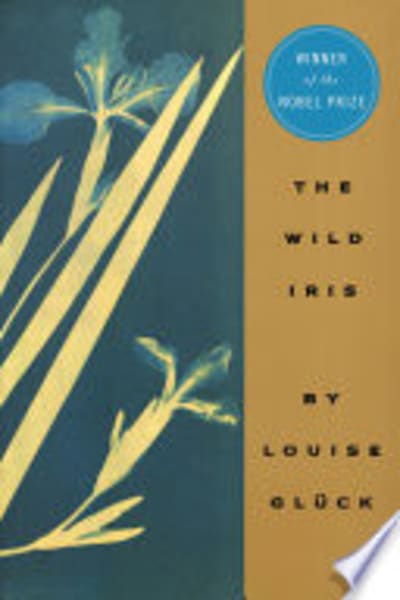
The Wild Iris — Book Summary & Review
by Louise Glück
Last updated:
The Wild Iris Summary
In The Wild Iris, Louise Glück builds the book around a set of recurring “speaker-situations” (the garden voice, the seasonal cycle, and the aftermath of grief) rather than a plot, and that structure is what keeps the poems from turning into pure mood. The opening poems establish a plainspoken, almost liturgical attention to the natural world—morning light, birdsong, the stubborn return of spring—then quietly pivot until nature starts acting like a mirror for mortality. Glück’s craft shows up as restraint: she lets the lines do their work without ornament, so when the speaker names loss, it lands with the force of something you already know but haven’t said aloud.
A concrete example is the way the poems keep returning to the idea that survival isn’t a victory but a condition. When the speaker watches growth and decay at once, it’s not “comfort”; it’s a diagnosis. Glück also makes time feel physical—days stack like stones—so the book’s spiritual questions don’t float above life; they press against it. In poem after poem, the speaker tests a series of refusals: refusing easy consolations, refusing sentimentality, refusing the fantasy that meaning will arrive neatly packaged.
The limitation is real: if you want narrative momentum, character development, or explanations of what to “believe,” you’ll feel stalled. Glück offers no roadmap, only perspective shifts; the poems can frustrate readers who need their grief turned into something actionable. At roughly 63 pages, it’s short, but it’s not light—The Wild Iris asks you to sit in the same hard weather until the language changes you.
Key Takeaways from The Wild Iris
-
1
Garden speaker framework: the poems use a seasonal “I” to make nature feel like a moral and emotional pressure test.
-
2
Time-as-weight concept: Glück renders days as physical accumulation, so mortality arrives as something you can feel in the body.
-
3
Refusal of consolation: the book repeatedly declines easy comfort, treating sentiment as a kind of evasion.
-
4
Liturgical attention method: images are presented with near-ritual exactness, turning observation into spiritual argument.
-
5
Grief as condition: survival is described less as recovery and more as living inside an ongoing fact.
Who Should Read This
Someone who has been trying to “process” grief by reading uplifting essays will find Glück’s refusal of consolation bracing. If you’re stuck in the middle of everyday life—workdays, small routines, no catharsis—The Wild Iris gives that stagnation a voice.
Who Shouldn't Read This
If you want poems that resolve their questions with clarity or provide a comforting theology, Glück will disappoint you. If you need long, explanatory passages or a storyline that moves forward, you’ll likely bounce off the book’s compressed, elliptical structure.
Editor's Verdict
The single best thing The Wild Iris does is turn the garden’s seasonal recurrence into a sustained argument about mortality, especially through Glück’s repeated pivots from observation to emotional accounting. The real limitation is that it offers no plot, no system of belief, and no guidance—only a speaker’s relentless re-seeing. This hits hardest for anyone who has just returned to normal life after a loss and feels guilty for not feeling better yet.
Ready to read The Wild Iris?
Get your copy on Amazon today.
The Wild Iris — Frequently Asked Questions
About Louise Glück
Louise Glück (1943–2023) was an American poet and professor. She studied at Sarah Lawrence College and Columbia University and taught at institutions including Yale. Glück’s credibility on “The Wild Iris” comes from her long career writing award-winning poetry and her deep engagement with themes of nature, myth, and mortality, developed across decades of published work. Notable works include “The Triumph of Achilles” and “Averno.”