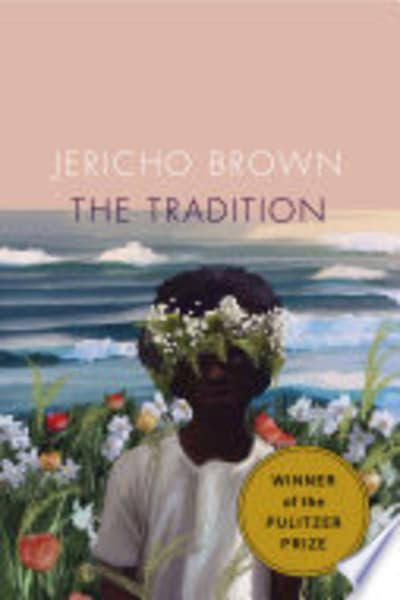
The Tradition — Book Summary & Review
Last updated:
The Tradition Summary
Jericho Brown’s The Tradition is built around his duplex form—sonnet, ghazal, and blues braided together—so the book feels like a set of locked rooms that somehow still breathe. Brown argues that “evil” becomes ordinary when a nation teaches people to call it safety, and he keeps returning to the same question from different angles: what counts as protection when the past is already inside you. The poems move like a long argument with the reader’s nervous system, using fatherhood, queerness, worship, and trauma as the personal wiring for the political theme. One of the book’s sharpest moves is how it stages pastoral scenes—mythic, religious, almost folk-like—then slides the floor beneath them until the “good” story looks complicit. Brown doesn’t let you stay in abstract outrage; he drags the history into the body, into memory, into the way a family repeats its scripts.
A concrete example of the technique is how Brown treats legacy as both inheritance and trap: the poems speak to a son while also interrogating the father who raised him, and that tension keeps tightening. Even when Brown turns toward celebration—survival, contradiction, the sheer grit of staying alive—the celebration has a cost. Brown’s formal invention matters here: the duplex’s recurring turns and refrains mimic the looping logic of tradition itself, the way a culture keeps re-justifying what it already decided to tolerate. The honest limitation: The Tradition is dense, not narrative; if you want a plot you can follow or a clear argument laid out in prose terms, Brown’s lyric compression may frustrate you.
Key Takeaways from The Tradition
-
1
Duplex form: Brown fuses sonnet, ghazal, and blues patterns so meaning repeats and refracts like lived memory.
-
2
Normalization of evil: Brown frames cruelty as routine by showing how “safety” gets taught, prayed for, and inherited.
-
3
Pastoral myth: Brown uses pastoral imagery as a disguise, then reveals the terror hidden in familiar religious scenes.
-
4
Fatherhood and legacy: Brown treats parenting as both love and transmission, where the child becomes the critic of the parent.
-
5
Worship and trauma: Brown links devotional language to bodily aftermath, refusing to separate spiritual comfort from harm.
Who Should Read This
Someone who keeps noticing how “tradition” is used to justify harm—at home, in church, or in politics—will feel this book squarely aimed at them. If you’re living with complicated fatherhood or a faith history that won’t stay neatly in the past, Brown’s questions will land hard.
Who Shouldn't Read This
If you want a straightforward, chronological narrative or explanatory commentary, The Tradition will feel like lyric compression with no release valve. If you’re allergic to formal experimentation—especially Brown’s duplex structure—his method may distract more than it clarifies.
Editor's Verdict
The single best thing Brown does is make the duplex form do political work, especially when pastoral scenes turn and the refrain-like structure exposes how “safety” is manufactured. The real limitation is that the book offers no plot and only intermittent signposts, so readers who rely on narrative momentum may feel adrift. This hits hardest for anyone in a midlife faith-and-family reckoning, right after you realize your comfort stories are connected to harm.
Ready to read The Tradition?
Get your copy on Amazon today.
The Tradition — Frequently Asked Questions
About Jericho Brown
Jericho Brown is an American poet and professor. He was born in 1976 and raised in the South, later earning an MFA from Brown University. His work draws on his experience with African American life and religion, making him credible to write about tradition and its cultural weight. He is the author of The Tradition (2019) and The New Testament (2023), among other poetry collections.