The Story of My Experiments with Truth — Book Summary & Review
Last updated:
The Story of My Experiments with Truth Summary
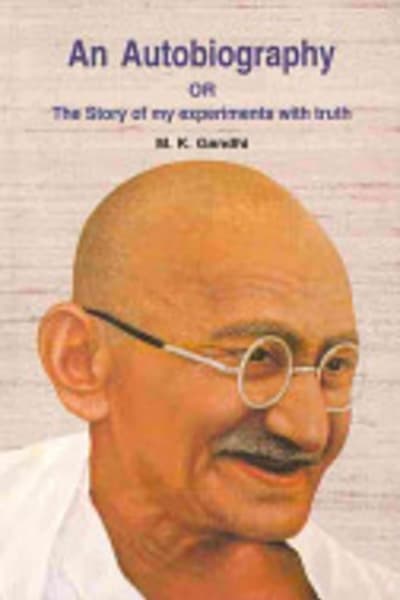
Gandhi's autobiography, The Story of My Experiments with Truth, is structured around his lifelong commitment to 'ahimsa' or non-violence. Divided into five parts, Gandhi unravels the formative experiences that shaped his ideology, including a vivid recounting of his time in South Africa in Part II. Here, he outlines his early encounters with racism and the birth of his passive resistance philosophy. The book also provides introspective musings on his personal life, such as his dietary experiments and spiritual reflections. Gandhi's candidness about his own imperfections and his relentless pursuit of truth add depth and authenticity to his narrative. However, modern readers might find the prose somewhat dated and the pacing uneven, particularly in sections where he gets bogged down in minute details of his personal routines.
Key Takeaways from The Story of My Experiments with Truth
-
1
Ahimsa: Gandhi's principle of non-violence, rooted in respect for all living beings, which he applied to political resistance.
-
2
Satyagraha: A coined term for 'truth force', describing Gandhi's method of non-violent protest used in both South Africa and India.
-
3
Brahmacharya: Gandhi's practice of self-restraint, which he believed was essential for personal and political purity.
-
4
The Salt March: A pivotal campaign led by Gandhi in 1930 against British salt taxes, exemplifying mass civil disobedience.
-
5
Dietary Experiments: Gandhi's trials with vegetarianism and fasting, emphasizing self-discipline as a means to personal growth.
Who Should Read This
If you're grappling with how to incorporate ethical principles into your activism, this book offers a foundational perspective. Someone who feels disillusioned with traditional political methods might find Gandhi's approach a refreshing alternative.
Who Shouldn't Read This
If you're looking for a fast-paced narrative or a detailed historical account of Indian independence, this isn't the book for you. The focus is on Gandhi's personal evolution, which may frustrate readers seeking comprehensive political analysis.
Editor's Verdict
The book excels in its raw honesty, especially in chapters like 'Birth and Parentage' where Gandhi discusses his own shortcomings. However, the old-fashioned writing style and uneven pacing might deter some readers. Anyone exploring the roots of ethical leadership will find this particularly valuable when questioning how to align personal values with public actions.
Ready to read The Story of My Experiments with Truth?
Get your copy on Amazon today.
The Story of My Experiments with Truth — Frequently Asked Questions
About Mahatma Gandhi
Mahatma Gandhi (1869–1948) was an Indian lawyer, anti-colonial nationalist, and political ethicist who led India's nonviolent resistance against British rule. He is credible on the topic of nonviolence due to his pivotal role in the Indian independence movement. Gandhi's autobiography, "The Story of My Experiments with Truth," details his philosophy and life experiences. Other notable works include "Hind Swaraj" and numerous speeches and writings on civil rights and social justice.