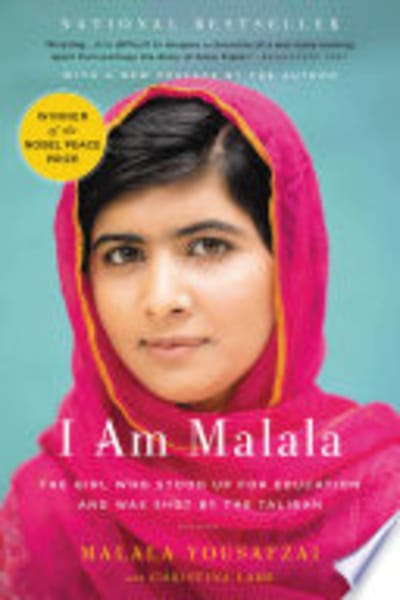
I Am Malala — Book Summary & Review
Last updated:
I Am Malala Summary
Malala Yousafzai's book opens with a vivid account of her life in the Swat Valley, particularly the chapter titled 'Before the Taliban,' which sets the stage for her advocacy journey. Yousafzai recounts her experiences with the Taliban's oppressive regime, her near-fatal shooting, and her recovery, all while weaving in the cultural and political context of Pakistan. The narrative doesn't shy away from the complexities of her family's dynamics, especially highlighting her father's role in encouraging her activism. Yousafzai's writing is both personal and political, making the book impactful for those interested in human rights and education. However, the book's focus on her personal story means it doesn't offer a comprehensive political analysis of the region or the Taliban's broader impact, which may frustrate readers looking for an in-depth geopolitical discussion.
Key Takeaways from I Am Malala
-
1
The Swat Valley: Yousafzai paints a detailed picture of her home, its beauty, and the cultural richness lost to conflict.
-
2
Gul Makai: A pseudonym Yousafzai used for a BBC blog, revealing her early resistance and advocacy for education.
-
3
The Role of Ziauddin: Malala's father, who defied societal norms by championing his daughter's right to education.
-
4
Malala Fund: An initiative born from her experience, aimed at ensuring girls worldwide receive 12 years of education.
-
5
Yousafzai's United Nations Speech: A defining moment where she called for global action on girls' education, solidifying her as a global advocate.
Who Should Read This
Someone who feels disempowered by societal norms and seeks inspiration from real-life courage in advocating for change. If you're grappling with how your voice or actions can impact larger societal issues, this book offers a compelling example.
Who Shouldn't Read This
If you're expecting a deep dive into the geopolitical intricacies of Pakistan and the Taliban, this book will disappoint. It prioritizes personal narrative over detailed political analysis, which might not satisfy those looking for a comprehensive historical context.
Editor's Verdict
The book excels in illustrating the power of individual resilience, particularly in the chapter 'The Girl Who Stood Up for Education.' However, it doesn't provide a thorough analysis of the political landscape in Pakistan. This book resonates most when you're questioning the impact one person can have against systemic oppression.
Ready to read I Am Malala?
Get your copy on Amazon today.
I Am Malala — Frequently Asked Questions
About Malala Yousafzai
Malala Yousafzai is a Pakistani education activist born on July 12, 1997, in Mingora, Pakistan. She gained international recognition after surviving a Taliban assassination attempt in 2012 due to her advocacy for girls' education. Malala authored "I Am Malala," detailing her experiences and activism. She is the youngest-ever Nobel Peace Prize laureate, awarded in 2014. Another notable work includes "We Are Displaced," which shares stories of refugee girls worldwide.