Leonardo da Vinci — Book Summary & Review
Last updated:
Leonardo da Vinci Summary
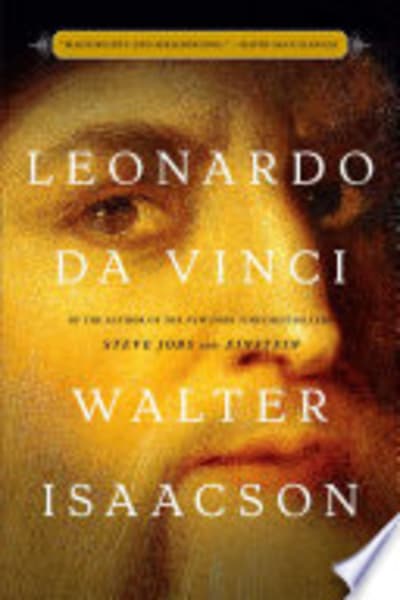
Isaacson structures Leonardo da Vinci around the notebooks Leonardo meticulously filled with sketches, ideas, and notes, using those documents to map the artist’s thinking. Organizing the biography through this paper trail, Isaacson spotlights Leonardo’s relentless curiosity and interdisciplinary approach—traits that helped produce his most iconic works. One standout chapter, The Theater of the World, examines Leonardo’s fascination with stage productions and how it fed both his visual art and his inventions. Isaacson’s thorough research and brisk narrative bring Leonardo’s vibrant personality into focus, arguing that his unconventional lifestyle fed his genius. Still, the book’s heavy emphasis on Leonardo’s scientific interests may frustrate readers who want a deeper look at his personal life or relationships. Isaacson’s insistence on Leonardo as a polymath offers a sharp perspective, but it may leave those craving emotional, intimate access to the man wanting more.
Key Takeaways from Leonardo da Vinci
-
1
The Notebooks: Leonardo's personal journals reveal his interdisciplinary approach and the breadth of his curiosity across art and science.
-
2
Vitruvian Man: This drawing exemplifies Leonardo’s ability to bridge art and science, capturing human proportions with mathematical precision.
-
3
The Theater of the World: Leonardo’s passion for stagecraft influenced his art, as seen in the dramatic composition of The Last Supper.
-
4
The Smile Project: Isaacson explores how Leonardo dissected cadavers to understand facial muscles, influencing the Mona Lisa’s enigmatic smile.
-
5
Light and Optics: Leonardo's studies in optics allowed him to play with perspectives and light, enhancing the realism in his paintings.
Who Should Read This
Someone who is fascinated by the intersection of art and science, and wants to explore how a genius mind operates across disciplines. If you’re curious about how creativity can be fostered through curiosity and diverse interests, this book is for you.
Who Shouldn't Read This
If you’re looking for a biography that deeply explores Leonardo’s personal relationships and emotional life, you may be disappointed by the book's focus on his intellectual pursuits. Those seeking a concise read might find the detailed exploration of his scientific studies overwhelming.
Editor's Verdict
The book shines in illustrating Leonardo's creative process through his detailed notebooks and sketches. However, it lacks depth in exploring his personal relationships and emotional life. Anyone at a career crossroads, especially those in creative fields, will find inspiration in Leonardo’s multidisciplinary genius.
Ready to read Leonardo da Vinci?
Get your copy on Amazon today.
Leonardo da Vinci — Frequently Asked Questions
About Walter Isaacson
Walter Isaacson is an American author, journalist, and professor known for his biographies of historical figures. He served as the CEO of the Aspen Institute and was the editor of Time magazine. Isaacson's credibility on Leonardo da Vinci stems from his extensive research and ability to synthesize complex subjects. He is also known for writing biographies of Steve Jobs and Albert Einstein, further establishing his reputation for exploring the lives of influential innovators.