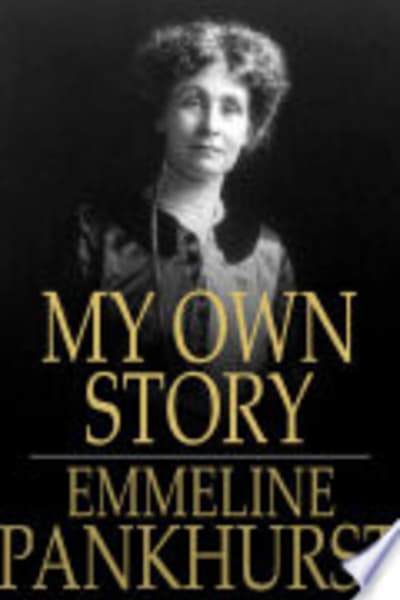
My Own Story — Book Summary & Review
Last updated:
My Own Story Summary
Emmeline Pankhurst's 'My Own Story' begins with her vivid recounting of the Women's Social and Political Union's (WSPU) formation, a pivotal moment that shapes the narrative. Pankhurst meticulously details her life, from her early feminist awakenings to her radical activism for women's suffrage. The chapter 'The Making of a Militant' is particularly striking, illustrating her shift from peaceful protest to more aggressive tactics. Pankhurst's compelling personal anecdotes and strategic insights provide an authentic glimpse into the suffragette movement. However, the book does not explore the broader international suffrage context, which might frustrate readers seeking a global perspective on women's rights.
Key Takeaways from My Own Story
-
1
The WSPU: Pankhurst describes the union she founded as a militant organization fighting for women's voting rights.
-
2
The Hunger Strike: A tactic Pankhurst championed, revealing the physical and psychological toll on suffragettes.
-
3
Deeds, Not Words: Pankhurst's mantra emphasizing action over rhetoric in the women's suffrage movement.
-
4
The Cat and Mouse Act: A law allowing the release and re-arrest of hunger-striking suffragettes, highlighting governmental resistance.
-
5
Votes for Women: Pankhurst's unwavering focus on this goal, which framed every strategy and protest action.
Who Should Read This
Someone who is fascinated by historical movements and seeks an intimate account of the suffragette struggle. If you're actively engaged in feminist activism, Pankhurst's narrative will resonate deeply.
Who Shouldn't Read This
If you're looking for a comprehensive global overview of the suffrage movement, this book will disappoint. Pankhurst's focus is intensely personal and primarily centered on the UK context.
Editor's Verdict
The book's greatest strength is its raw, firsthand account of the suffragette movement, especially highlighted in 'The Making of a Militant.' However, its narrow focus on British suffrage can feel limiting to those seeking a broader context. Anyone currently involved in activism or social justice will find Pankhurst's story particularly inspiring and motivating.
Ready to read My Own Story?
Get your copy on Amazon today.
My Own Story — Frequently Asked Questions
About Emmeline Pankhurst
Emmeline Pankhurst (1858–1928) was a pivotal British political activist and leader in the suffragette movement, advocating for women's right to vote. Born in Manchester, she founded the Women's Social and Political Union (WSPU) in 1903, known for its militant tactics. Her credibility on women's suffrage is rooted in her leadership and activism. Besides "My Own Story," she contributed to the cause with influential speeches and writings, though no other notable literary works are attributed to her.