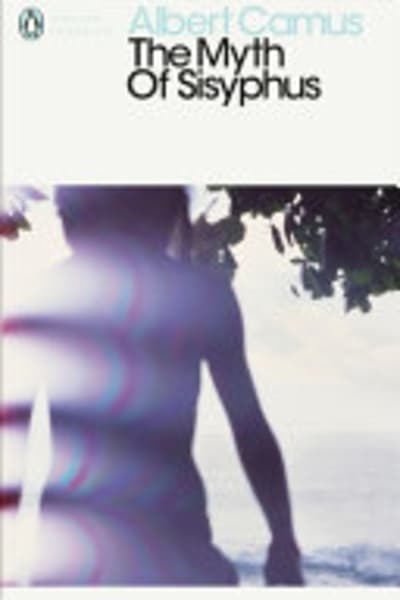
The Myth of Sisyphus — Book Summary & Review
by Albert Camus
Last updated:
The Myth of Sisyphus Summary
Camus opens The Myth of Sisyphus by grappling with the notion of suicide, framing it as the fundamental philosophical question. He argues that in a universe devoid of order or meaning, the decision to continue living becomes paramount. Camus employs the story of Sisyphus, condemned to roll a boulder uphill for eternity, as a metaphor for the absurdity of human existence. In the chapter 'Absurd Freedom', he explores how embracing the absurd condition can lead to a life of personal authenticity and freedom. His prose is lyrical and often poetic, making complex ideas accessible yet profound. However, the book may frustrate those looking for clear-cut answers or practical advice, as Camus revels in philosophical ambiguity and existential pondering.
Key Takeaways from The Myth of Sisyphus
-
1
The Absurd: Camus argues life lacks inherent meaning, compelling individuals to create their own purpose within the chaos.
-
2
Philosophical Suicide: A critique of philosophies that deny the absurd by offering false hope or illusions of meaning.
-
3
Absurd Freedom: Embracing life's lack of meaning can paradoxically lead to a liberated existence, free from despair.
-
4
Sisyphus as Hero: Camus portrays Sisyphus as a symbol of human resilience, finding happiness in the struggle itself.
-
5
Revolt as Response: Living with the absurd requires continuous rebellion against the meaninglessness through personal authenticity.
Who Should Read This
Someone who feels trapped in existential dread and is seeking philosophical companionship rather than solutions. If you're questioning the meaning of life and find comfort in intellectual exploration, this book is for you.
Who Shouldn't Read This
If you're searching for practical life advice or a step-by-step guide to happiness, this book will disappoint. The philosophical musings and lack of concrete conclusions may frustrate those who prefer straightforward narratives.
Editor's Verdict
The best aspect of the book is its poetic exploration of the absurd, especially in the chapter 'Absurd Freedom'. However, it doesn't provide practical strategies for dealing with existential angst. This book resonates most with those in a philosophical crisis, questioning the purpose of life and yearning for intellectual stimulation.
Ready to read The Myth of Sisyphus?
Get your copy on Amazon today.
The Myth of Sisyphus — Frequently Asked Questions
About Albert Camus
Albert Camus (1913-1960) was a French-Algerian philosopher and writer, renowned for his contributions to existential and absurdist thought. Born in Mondovi, French Algeria, Camus studied philosophy at the University of Algiers. His credibility on absurdism stems from his extensive exploration of the theme in "The Myth of Sisyphus" (1942), where he examines life's inherent meaninglessness. Other notable works include "The Stranger" (1942) and "The Plague" (1947), which further cement his philosophical legacy.