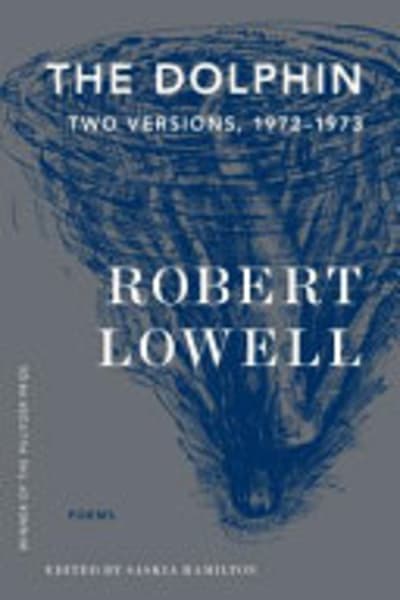
The Dolphin — Book Summary & Review
Last updated:
The Dolphin Summary
In The Dolphin, Robert Lowell leans on the book’s recurring tension between illusion and something harder—reality—using short, pressurized poems that keep snapping away from comfort. The sequence doesn’t feel like a single argument so much as a set of returns: love and life present themselves as coherent stories, and then the poems puncture that coherence with images that refuse to stay sentimental. Lowell’s central move is to treat “illusion” as an active force inside the speaker—something we manufacture to survive, even when it misleads us. He keeps re-staging that manufacture, then showing the cost when it collapses.
One concrete example is how the book’s title image (“the dolphin”) works as a kind of false promise: the speaker wants grace, speed, play, a clean emotional arc, but the poem’s language keeps reminding you that grace is partly projection. Lowell also repeatedly frames love as a reality we can’t fully narrate—there’s always a gap between what the heart claims and what the body, time, and memory actually deliver. If you’re paying attention, you can feel Lowell tightening the screws: the more the speaker reaches for meaning, the more the poems show how meaning can be a costume.
A limitation you should know upfront: this is not a long-form, line-by-line explanation of a philosophy; it’s compact lyric commentary, so if you want prose clarity or a systematic thesis, Lowell will frustrate you. With only ~78 pages, the book’s power comes from density, but that density also means you may finish it feeling like you’ve brushed past something rather than received it fully. Still, Lowell’s restraint is the point—he offers the reader the experience of seeing illusion break, not the comfort of a tidy replacement.
Key Takeaways from The Dolphin
-
1
Illusion vs. reality: Lowell treats illusion as something the speaker actively produces to manage love and fear.
-
2
The dolphin image: The title figure functions like a wish for grace, then gets complicated by time and projection.
-
3
Love as narration: Lowell shows how the heart tries to tell a coherent story, while lived experience keeps violating it.
-
4
Short lyric pressure: The poems keep compressing meaning, so emotions arrive as fragments rather than explanations.
-
5
Lowell’s recurring returns: Each poem re-checks the same wound, making repetition feel like argument through recurrence.
Who Should Read This
Someone who’s stuck in romantic or personal self-myths—where you keep explaining away what hurts—will recognize Lowell’s pattern fast. If you want poetry that attacks your own comforting stories without turning into a lecture, you’ll probably stick with it.
Who Shouldn't Read This
If you need plot, characters, or a clear, step-by-step thesis, The Dolphin will feel evasive and too compressed. If you dislike lyrical ambiguity and want the speaker to land on a stable conclusion, Lowell’s method will frustrate you.
Editor's Verdict
The single best thing The Dolphin does is make illusion feel bodily—especially through how the dolphin image repeatedly shifts from promise to projection, then back again. The real limitation is that the book offers no prose scaffolding or systematic explanation, so you either enjoy compression or you won’t. This hits hardest for anyone fresh out of a breakup or a failed big-life plan, when you’re still trying to narrate pain into something orderly.
Ready to read The Dolphin?
Get your copy on Amazon today.
The Dolphin — Frequently Asked Questions
About Robert Lowell
Robert Lowell (1917–1977) was an American poet and Pulitzer Prize–winning author. Born in Boston and educated at Harvard, he became a major figure in 20th-century American poetry, known for confessional and formal verse. His credibility on “The Dolphin” comes from his long career writing and publishing poetry and his direct authorship of the work. Other notable works include Life Studies (1959) and For the Union Dead (1964).