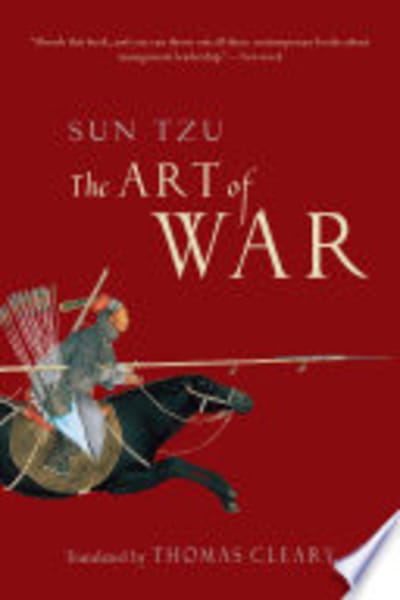
The Art of War — Book Summary & Review
by Sun Tzu
Last updated:
The Art of War Summary
Sun Tzu introduces the critical concept of 'know your enemy and know yourself' in The Art of War, a guide focusing on strategy and tactics. This ancient text is organized into thirteen chapters, each dissecting a different aspect of warfare, such as 'Weak Points and Strong' and 'Strategic Attack'. Sun Tzu emphasizes the importance of adaptability and foresight, urging leaders not to rely solely on brute force but to manipulate and outsmart adversaries. His principles extend beyond the battlefield, influencing modern business strategies and personal development. However, the book's context is deeply rooted in ancient military practices, which might not resonate with readers seeking straightforward self-help advice. Sun Tzu's terse, aphoristic style can also be challenging, offering wisdom in cryptic snippets rather than detailed guidance.
Key Takeaways from The Art of War
-
1
Know Your Enemy and Know Yourself: Success comes from understanding both your capabilities and your opponent's weaknesses.
-
2
The Five Factors: Sun Tzu outlines mission, terrain, leadership, weather, and discipline as essential to strategic planning.
-
3
The Nine Situations: Different tactical scenarios require specific responses; adaptability is key to effective leadership.
-
4
Deception: Effective strategy involves misleading opponents to gain an advantage, a concept applicable to both war and business.
-
5
The Use of Spies: Intelligence gathering is essential for informed decision-making, highlighting the importance of information.
Who Should Read This
Someone who struggles with decision-making in high-stakes environments will find value in Sun Tzu's strategic principles. If you're navigating competitive business landscapes or leadership roles, this book offers timeless strategies.
Who Shouldn't Read This
If you prefer detailed, step-by-step guidance, this book may frustrate you with its abstract aphorisms. Those looking for modern, practical self-help advice might find the ancient military context irrelevant.
Editor's Verdict
The best aspect of this book is its enduring concept of 'know your enemy and know yourself', a cornerstone of strategic thinking. However, the text's ancient military focus can feel outdated and abstract. Anyone entering a competitive business field or facing leadership challenges will benefit from its strategic insights.
Ready to read The Art of War?
Get your copy on Amazon today.
The Art of War — Frequently Asked Questions
About Sun Tzu
Sun Tzu was an ancient Chinese military strategist and philosopher, traditionally believed to have lived during the Eastern Zhou period (770–256 BCE). He is best known for authoring "The Art of War," a seminal text on military strategy and tactics that has influenced both Eastern and Western military thinking. Sun Tzu's credibility stems from his practical experience and deep understanding of warfare principles. No other works by Sun Tzu are definitively attributed to him.