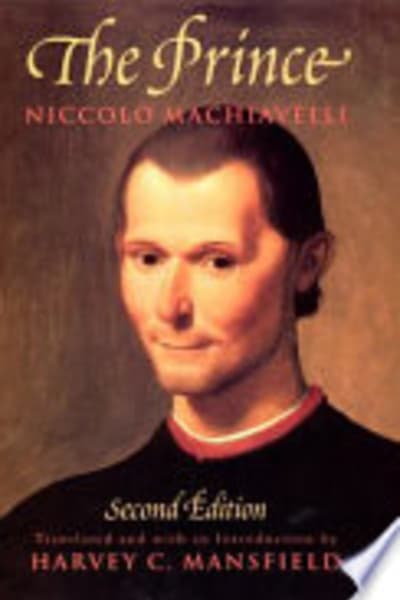
The Prince — Book Summary & Review
Last updated:
The Prince Summary
Machiavelli introduces the concept of virtù in The Prince, emphasizing the importance of a ruler's ability to adapt to changing circumstances. This treatise, structured as a guide for new rulers, is surprisingly pragmatic, advocating for the use of ruthless tactics when necessary. In Chapter XV, Machiavelli candidly discusses the morality of political actions, suggesting that the ends often justify the means. Throughout, Machiavelli argues that a successful prince must balance being feared and loved but prioritize fear if he must choose. However, the book does not address the ethical implications of such advice, which may frustrate readers seeking a moral framework.
Key Takeaways from The Prince
-
1
Virtù: Machiavelli's term for the ruler's ability to shape his own destiny through bold and decisive actions.
-
2
Fortuna: Represents luck or fate, which can be controlled to some extent by a prince with strong virtù.
-
3
Cesare Borgia: Cited as an example of a ruler who successfully used cruelty to maintain control.
-
4
The Lion and the Fox: Metaphor for a ruler needing to be both fierce and cunning to survive.
-
5
The Appearance of Virtue: Machiavelli argues a prince should appear virtuous while being willing to act immorally if needed.
Who Should Read This
If you're navigating the murky waters of politics or leadership, Machiavelli's pragmatic approach could offer useful strategies. Someone who feels stuck in a moral dilemma regarding power and ethics might find this perspective intriguing.
Who Shouldn't Read This
If you're looking for a book that provides moral guidance or ethical certainty, The Prince will disappoint. Those who prefer narrative storytelling over theoretical discourse will find this dense and unengaging.
Editor's Verdict
The Prince excels at laying out realpolitik strategies through vivid examples like Cesare Borgia. It lacks a moral compass, leaving ethical considerations unexplored. Anyone entering leadership roles or political arenas will find its candid advice most impactful when questioning conventional morality.
Ready to read The Prince?
Get your copy on Amazon today.
The Prince — Frequently Asked Questions
About Niccolò Machiavelli
Niccolò Machiavelli (1469–1527) was an Italian diplomat, philosopher, and writer from Florence. He is best known for his political treatise, "The Prince," which offers pragmatic advice on political leadership and statecraft, reflecting his extensive experience in Florentine government and diplomatic missions. Machiavelli's insights into power dynamics and realpolitik make him a credible authority on the subject. Other notable works include "Discourses on Livy" and "The Art of War," which further explore political and military theory.