Promises: Poems 1954-1956 — Book Summary & Review
Last updated:
Promises: Poems 1954-1956 Summary
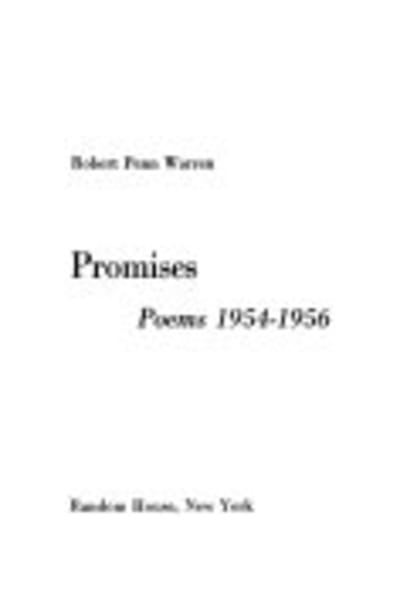
In Promises: Poems 1954-1956, Robert Penn Warren organizes the book around lyric pressure—poems that circle moral questions the way weather circles a coastline—so the “promise” is never a slogan but a test you keep failing and trying again. Warren’s framework feels clear even when the lines don’t: he keeps returning to love, work, faith, and political responsibility, then forces each theme to answer a harder question about what a person owes other people. What makes this collection work is how often Warren makes the emotional argument through form—short bursts that feel like testimony, longer poems that read like memory arguing with itself. A standout example is the poem “The Promise,” where the title becomes a dare: the speaker offers commitment, then immediately shows the cost of that commitment in conscience and time.
Another concrete anchor is the way these years’ poems treat history as something you live inside, not something you observe. Warren writes with the steady competence of someone who has read his own mind closely; the language can be plain and then suddenly ceremonial, as if the poem needs a new register to tell the truth. Even when you don’t “agree” with the moral posture, you can see how Warren is trying to keep the promise from turning into self-flattery.
Honest limitation: this is lyric poetry, so if you want plots, explanations, or a consistent narrative voice that tells you what to think, Warren will frustrate you. You also won’t get a guided tour of his worldview; the book expects you to sit with ambiguity and do some of the emotional labor yourself.
Key Takeaways from Promises: Poems 1954-1956
-
1
Lyric pressure: Warren writes poems that behave like recurring questions, not like tidy answers.
-
2
“The Promise”: the title functions as a moral dare, testing love and conscience against time.
-
3
Moral responsibility: Warren treats ethics as lived practice, showing cost and compromise rather than slogans.
-
4
History as lived space: past events aren’t background; they shape the speaker’s breathing and choices.
-
5
Register shifts: Warren moves from plain speech to ceremonial cadence to match the truth’s weight.
Who Should Read This
Someone who’s stuck reading poetry that feels decorative and wants language to argue with their conscience should try Warren here. If you’re in a season where commitments feel heavy—work, family, faith, or politics—and you need poems that respect that weight, this fits.
Who Shouldn't Read This
If you buy poetry expecting a clear storyline or a stable, explanatory narrator, Warren’s lyric method will feel evasive. If you want modern, easily skimmed verse with minimal ambiguity, this collection’s density and moral seriousness will wear you down.
Editor's Verdict
The single best thing Promises: Poems 1954-1956 does is make “The Promise” feel like a live ethical experiment rather than a theme, using the title as pressure on the speaker. The real limitation is that it offers no roadmap—Warren expects you to tolerate lyric uncertainty and keep up without hand-holding. This will hit hardest for anyone who’s mid-career questioning why they still owe anything to other people, and who wants poetry that treats responsibility as a cost.
Ready to read Promises: Poems 1954-1956?
Get your copy on Amazon today.
Promises: Poems 1954-1956 — Frequently Asked Questions
About Robert Penn Warren
Robert Penn Warren (1905–1989) was an American poet, novelist, and critic, born in Guthrie, Kentucky, and educated at Vanderbilt and the Iowa Writers’ Workshop. He served as a teacher and wrote extensively about American life, politics, and literary craft, making him credible to compile and reflect on mid-1950s poetry. He is the author of Promises: Poems 1954–1956 and also wrote All the King’s Men and won the Pulitzer Prize for it.