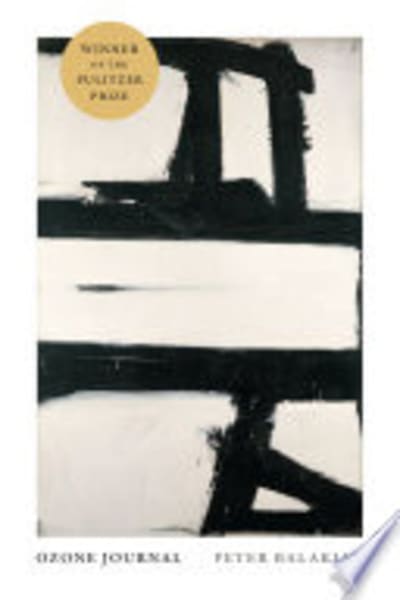
Ozone Journal — Book Summary & Review
Last updated:
Ozone Journal Summary
Ozone Journal is built as a sequence of fifty-four short sections framed by memories from the Armenian genocide excavations—Balakian keeps returning to that TV-journalist setting as a pressure point for grief and history. The book’s title poem, with its cassette-like, scene-switching feel, starts in the Syrian desert in 2009 as the speaker and crew dig up bones, and then it spools outward: the work becomes a lens for how trauma is witnessed, edited, and carried home. Balakian’s craft is sensory and procedural at once; he can describe UVB light “hacking” at materials and then pivot to the way he can “hear the difference” between an oboe and a bassoon, as if perception itself is evidence. That oscillation matters. It’s how Balakian makes the past feel physical without turning it into spectacle, and it’s also how he links atrocity to private collapse—his marriage dissolves, he raises a child alone in Manhattan, and he later sits with a cousin dying of AIDS. The poems stretch their timeline with brief bookend lyrics that jump from Nairobi to Native American villages in New Mexico, insisting that forgetting isn’t local; it’s structural. In the title sequence, “radical bonds were broken, history became science,” and Balakian treats that sentence like a diagnosis: knowledge can be necessary, but it can also flatten the human texture of what’s being known.
Limitation: Ozone Journal is short and fragmentary, so if you want a sustained narrative arc with clear explanations of the genocide history or the speaker’s political argument, you’ll feel the gaps more than you’ll be soothed by them.
Key Takeaways from Ozone Journal
-
1
Fifty-four short sections: Each micro-poem works like a scene cut, so memory moves by impact rather than plot.
-
2
Title poem excavation sequence: The Syrian desert digging becomes Balakian’s recurring model for how witnessing turns into burden.
-
3
“Radical bonds were broken”: History shifting into “science” shows how explanation can both help and misplace feeling.
-
4
Marriage dissolution montage: Personal loss is braided into public atrocity, refusing to separate private grief from historical harm.
-
5
Bookend lyrics across continents: Nairobi and New Mexico widen the frame, arguing forgetting is global and repeatable.
Who Should Read This
Someone who keeps thinking about how trauma gets turned into content—news clips, documentaries, even family stories—will find Balakian’s journal-poem method uncomfortably honest. If you’re a parent or caregiver carrying grief while trying to keep daily life moving, the Manhattan single-parent passages will land with quiet force.
Who Shouldn't Read This
If you want straightforward historical context and a linear account of the Armenian genocide, Balakian gives you impressions and fragments instead of a lesson plan. If you dislike sensory, associative poetry that jumps locations and times, Ozone Journal’s montage structure will feel more like interruption than resolution.
Editor's Verdict
Ozone Journal’s best move is how Balakian uses the title poem’s 2009 excavation setting—where television journalists are present—to interrogate what “witnessing” does to a person. The limitation is that the book stays deliberately elliptical, so it won’t satisfy readers who need sustained narrative clarity or explicit historical exposition. This hits hardest for anyone rereading old grief and realizing they keep reprocessing it through new media, especially if you’ve recently watched coverage of atrocity and felt morally uneasy afterward.
Ready to read Ozone Journal?
Get your copy on Amazon today.
Ozone Journal — Frequently Asked Questions
About Peter Balakian
Peter Balakian is an American writer and professor of English who has written extensively on the Armenian genocide, memory, and the politics of cultural identity. He is credible on these topics through his academic work and extensive research, including firsthand engagement with survivor testimony and archival materials. His books include Ozone Journal and Black Dog of Fate: A Memoir, which explores family history and historical trauma.