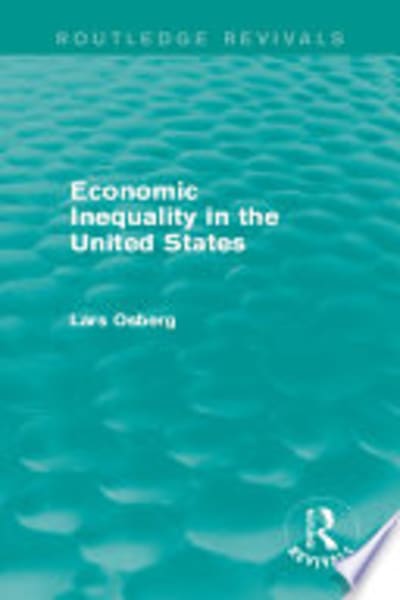
Economic Inequality in the United States — Book Summary & Review
by Lars Osberg
Last updated:
Economic Inequality in the United States Summary
Osberg introduces a model that emphasizes the structural forces behind economic inequality, particularly in the chapter 'The Wage Structure.' His approach contrasts with neoclassical economists who often focus on individual choices. Osberg also examines the intersection of economic theories, such as Marxist and institutional perspectives, and applies them to U.S. income distribution patterns. A notable section, 'Government Policies and Inequality,' scrutinizes policy interventions and their potential impacts on reducing the economic gap. Despite its comprehensive analysis, the book does not address the more recent technological disruptions affecting income distribution, which might leave readers seeking contemporary insights unsatisfied.
Key Takeaways from Economic Inequality in the United States
-
1
The Wage Structure: Osberg argues that wage disparities are not just about skills but also reflect institutional biases.
-
2
Government Policies and Inequality: Policies can exacerbate or mitigate economic disparities depending on their design and implementation.
-
3
Marxist Perspective: This framework highlights how capital accumulation and power dynamics fuel income inequality.
-
4
Institutional Structuralism: Focuses on how societal institutions, like education systems, perpetuate income disparities.
-
5
Osberg's Model: Combines various theoretical perspectives to offer a comprehensive explanation of U.S. economic inequality.
Who Should Read This
If you are grappling with understanding the root causes of economic inequality in the U.S., this book is for you. Someone who studies macroeconomics and wants historical context on income distribution will find it particularly useful.
Who Shouldn't Read This
The book's focus on theories from the 1980s might disappoint someone looking for analysis of modern technological impacts on income inequality. If you need a straightforward policy guide with current data, you might find this less relevant.
Editor's Verdict
Osberg's examination of 'Government Policies and Inequality' offers a nuanced view of policy impacts. The book's historical scope limits its applicability to current technological shifts in the economy. Anyone researching the foundational theories of income inequality in the U.S. will find this valuable, especially before delving into contemporary studies.
Ready to read Economic Inequality in the United States?
Get your copy on Amazon today.
Economic Inequality in the United States — Frequently Asked Questions
About Lars Osberg
Lars Osberg is a Canadian economist and professor emeritus at Dalhousie University, specializing in economic inequality and social policy. He holds a Ph.D. in Economics from Yale University, establishing his credibility in the field. Osberg has extensively researched income distribution and its societal impacts, authoring influential works such as "The Economics of Inequality" and co-authoring "How Much Tax Do the Rich Really Pay?" His expertise is recognized internationally, contributing significantly to discussions on economic disparity.