Work and Integrity — Book Summary & Review
Last updated:
Work and Integrity Summary
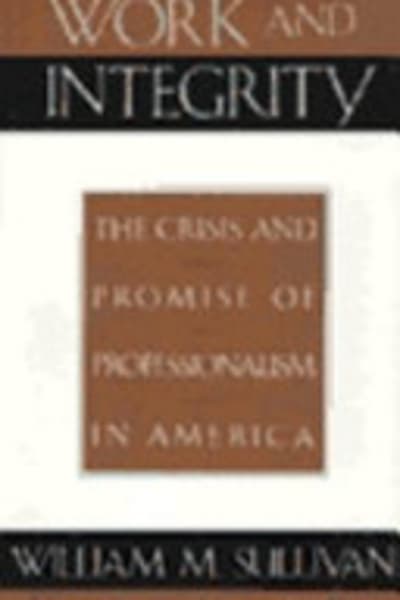
William M. Sullivan’s Work and Integrity is built around a recurring moral complaint: professionals appear to lose concern for fellow citizens while chasing status in a globalized economy, and Sullivan tests what “professional responsibility” should mean when institutions keep changing. The book’s core move is to treat integrity as something social and civic, not merely personal ethics—an idea Sullivan returns to as he traces how American professions shifted from “genteel” callings into credentialed, organizationally embedded roles. Early on, Sullivan frames the problem through the accusation he quotes about the professional-managerial class, then widens the lens to show how business, government, healthcare, education, and universities pressure individuals to trade conscience for competence.
One of the most useful sections is Sullivan’s treatment of how organizational culture and professional expertise collide. He keeps returning to the question of whether a professional’s only duty is career success, and he argues that even that goal is unstable if professionals detach from civic responsibility. Sullivan also spends time on professional socialization—how training, norms, and institutional incentives teach people what “good work” looks like, and how easily those lessons can drift toward self-protection. His examples tend to be concrete at the level of institutional dynamics rather than personal confessions, so you’re constantly asked to imagine how your own workplace standards were formed.
Honest limitation: Work and Integrity is more diagnostic than prescriptive. Sullivan rarely gives step-by-step tools for ethical decision-making at work, and if you want a practical code, templates, or case-law style guidance, Sullivan will leave you wanting. Still, Sullivan’s insistence that integrity must connect personal skill to public life makes the book hard to dismiss, especially if you’re already feeling that your job’s “success metrics” don’t match your conscience.
Key Takeaways from Work and Integrity
-
1
Professional responsibility: Sullivan treats it as civic, not only personal honesty, so your integrity has public consequences.
-
2
Professional socialization: He explains how training and workplace norms teach what “good work” means—and how they can narrow it.
-
3
Organizational culture: Sullivan argues culture can quietly rewrite ethics, rewarding career survival over loyalty to clients or citizens.
-
4
Global order pressures: He links professional anxiety to global economic shifts, showing why people rationalize moral retreat.
-
5
Connections among expertise, culture, and civic duty: Sullivan’s framework demands you see work as a system, not a private choice.
Who Should Read This
If you’re mid-career and staring at performance metrics that feel morally off, Someone who’s trying to reconcile ambition with responsibility will find Sullivan’s framing useful. If you work in business, healthcare, education, or government and sense your profession’s norms have shifted, Work and Integrity gives you language for that unease.
Who Shouldn't Read This
If you want practical workplace ethics—decision trees, scripts for difficult conversations, or concrete “do this” guidance—Sullivan’s mostly analytical approach will frustrate you. If you prefer narrative-driven personal stories, Work and Integrity’s institutional focus will feel dry and abstract.
Editor's Verdict
The single best thing Sullivan does is connect integrity to professional socialization and organizational culture, especially when he interrogates whether career success can substitute for civic responsibility. The real limitation is that Sullivan offers diagnosis and moral framing more than actionable tools, so readers looking for practical ethics will feel under-served. This hits hardest for anyone mid-career questioning why they work so hard and realizing their profession’s incentives might be training them to look away.
Ready to read Work and Integrity?
Get your copy on Amazon today.
Work and Integrity — Frequently Asked Questions
About William M. Sullivan
William M. Sullivan is the author of Work and Integrity. He is a scholar and writer known for examining the relationship between work, ethics, and personal integrity. His credibility comes from his focused, research-based treatment of workplace moral conduct and the practical standards that govern integrity in professional life. If you want, I can verify additional biographical details and any other notable works by Sullivan if you share a link or publisher information for the author.