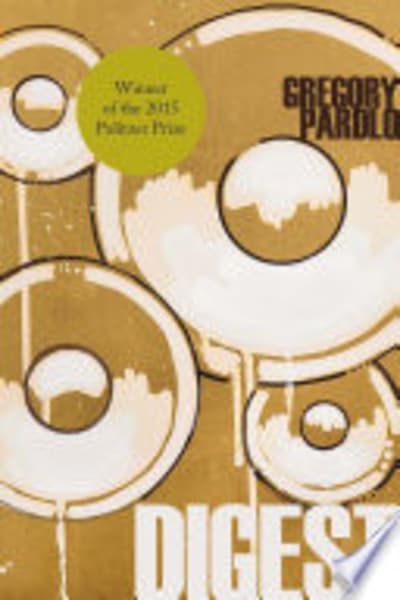
Digest — Book Summary & Review
Last updated:
Digest Summary
In Digest, Gregory Pardlo builds the book around a “digest” logic: each poem is treated like a processed excerpt, reshuffled through quotation, revision, and pressure-testing the canon’s authority. The collection keeps returning to how identity gets manufactured by reading—what you inherit, what you’re told is “real,” and what you quietly accept as your own voice. Pardlo’s method isn’t decorative; it’s structural. You can feel him staging an argument in the poem-to-poem sequencing, where one text’s borrowed materials become another text’s question. He keeps circling the same problem from different angles: the archive promises legitimacy, but it also demands conformity. When Pardlo improvises form, he’s also improvising permission—who gets to speak, and under what name.
A concrete example is how he uses intertextual scaffolding as if it were a physical object you can weigh and measure. Instead of treating references as trophies, Pardlo turns them into friction: a line will echo a prior authority, then the poem will twist the echo until it exposes the speaker’s dependence. Even the title starts doing work, because a digest is what remains after reduction—so the poems ask what gets lost, what gets smuggled, and what gets claimed as nourishment. Another example is the collection’s recurring attention to poetic “identity work,” where the poem behaves like a site of authorship disputes rather than a stable self-portrait.
The limitation: Digest is short (about 80 pages) and dense with allusion, so it won’t satisfy readers who want narrative clarity or a guided thesis you can summarize in one sentence. If you dislike poems that assume you’ll do some detective work, you’ll feel stalled rather than helped.
Key Takeaways from Digest
-
1
Digest logic: each poem treats borrowed material like processed text, showing how meaning changes after reduction.
-
2
Canon pressure-testing: Pardlo uses references to expose authority as a demand for conformity, not neutral background.
-
3
Intertextual friction: echoes are deliberately twisted so the poem reveals dependence and ownership conflicts.
-
4
Form improvisation: shifts in shape function as permission-making, questioning who is allowed to speak and how.
-
5
Identity work: the speaker becomes a disputed site where authorship, reading, and inheritance collide.
Who Should Read This
Someone who keeps noticing how their taste was shaped by other people’s “approved” voices will feel seen by Pardlo’s identity-and-canon focus. If you’re in a creative rut and suspect your work is repeating borrowed authority, Digest gives you a way to argue with your sources on the page.
Who Shouldn't Read This
If you want a collection that explains itself line by line, Digest will frustrate you with its reliance on intertextual detective work. If you need long, sustained character or plot movement from poem to poem, the book’s compact, referential structure will feel too tight and too indirect.
Editor's Verdict
Digest’s best move is how Gregory Pardlo turns intertextuality into an argument you can feel in the poem’s mechanics, especially through the title’s “digest” reduction logic. The real limitation is that it offers almost no hand-holding, so readers without patience for allusion and form-play will likely bounce off. This hits hardest for anyone writing in a secondhand voice right after they’ve convinced themselves their influences are “just style,” and they’re ready to interrogate that assumption.
Ready to read Digest?
Get your copy on Amazon today.
Digest — Frequently Asked Questions
About Gregory Pardlo
Gregory Pardlo is an American poet and professor. He earned an MFA from Cornell University and has taught writing at institutions including the University of Pittsburgh. His collection Digest (2017) is widely recognized for its historical and cultural range, drawing on his research and command of poetic form. Pardlo is credible on this topic through his academic training and sustained publication record. Other notable works include Totem (2006) and Airfield (2019).