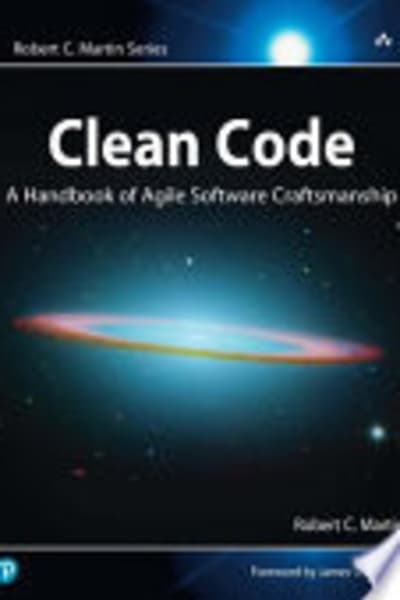
Clean Code — Book Summary & Review
Last updated:
Clean Code Summary
In 'Clean Code', Martin presents a framework called 'The Boy Scout Rule', suggesting code should always be left cleaner than it was found. The book is structured into three parts: principles, case studies, and a list of 'smells' and heuristics. In Chapter 14, 'Successive Refinement', Martin detailingly illustrates how refactoring can evolve a complex piece of software into a more readable and maintainable one. Martin's emphasis on small, incremental changes in code is both practical and relatable for developers looking to improve their coding practices. However, the book doesn't offer much guidance for absolute beginners who may not yet have a foundational understanding of coding principles, which could make it frustrating for those just starting out in software development.
Key Takeaways from Clean Code
-
1
The Boy Scout Rule: Always leave code cleaner than you found it, ensuring continuous improvement in code quality.
-
2
Code Smells: Identifiable patterns in code that suggest the need for refactoring to improve readability and maintainability.
-
3
The SOLID Principles: A set of five design principles to create more understandable and flexible software architecture.
-
4
Meaningful Names: Martin emphasizes using descriptive names for variables and functions to improve code readability.
-
5
The Law of Demeter: A guideline that limits the number of objects a given object should interact with, promoting encapsulation.
Who Should Read This
If you're a software developer struggling with maintaining large codebases, this book provides practical strategies to enhance code clarity. Someone who feels overwhelmed by messy, unmanageable code will find actionable advice to streamline and improve their workflow.
Who Shouldn't Read This
Absolute beginners lacking basic programming skills might find this book challenging, as it assumes some prior coding knowledge. If you expect a step-by-step tutorial from scratch, you'll be disappointed by its more advanced discussions.
Editor's Verdict
The book excels in breaking down complex refactoring processes, as seen in Chapter 14, 'Successive Refinement'. It lacks beginner-friendly explanations, which could alienate new programmers. For experienced developers stuck in a rut with messy codebases, this book is a breath of fresh air.
Ready to read Clean Code?
Get your copy on Amazon today.
Clean Code — Frequently Asked Questions
About Robert C. Martin
Robert C. Martin, also known as "Uncle Bob," is a software engineer and author renowned for his contributions to software development. With over four decades of experience, he is a co-founder of the Agile Manifesto and a leading advocate for clean coding practices. Martin authored "Clean Code: A Handbook of Agile Software Craftsmanship," a seminal work in software engineering. His other notable works include "The Clean Coder" and "Clean Architecture," which further emphasize his expertise in coding discipline and architecture.