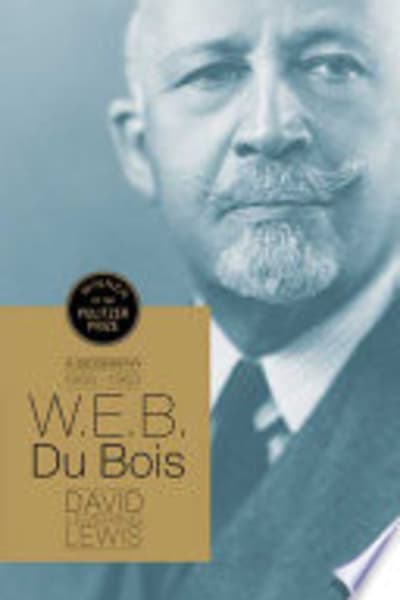
W. E. B. Du Bois: Biography of a Race — Book Summary & Review
Last updated:
W. E. B. Du Bois: Biography of a Race Summary
David Levering Lewis structures this condensed Du Bois biography around the arc of Du Bois’s public ideas—especially the tension between the “language of the poet” and the impatience of the agitator—so you feel how each phase of W. E. B. Du Bois’s life feeds the next argument. Lewis’s most persuasive through-line is how Du Bois builds political strategy out of scholarship: the book repeatedly returns to the way his writing methods and his organizing instincts reinforce one another, from early intellectual formation to later institutional battles. One concrete example is Lewis’s treatment of the Niagara Movement era, where Du Bois’s insistence on uncompromising Black political identity is presented as more than rhetoric; it becomes a blueprint for later activism. Lewis also leans hard on Du Bois’s relationship to mass politics and international questions, showing how the same man could sound like a prophet in one setting and like an infuriating bureaucrat in another.
What surprised me, finishing Lewis’s condensed volume, is how much the author foregrounds controversy as a form of method: Du Bois changes tactics, but Lewis keeps you watching the seams—where ideology meets ego, where coalition-building collides with personal pride. Even when Lewis compresses material from his larger project, the narrative keeps returning to Du Bois’s central dilemma: how to measure justice when the country keeps rewriting the rules. If you want a straight, soothing chronology with minimal friction, this book will frustrate you.
Honest limitation: because it’s a condensed version of Lewis’s two-volume biography, it skips many of the deeper archival detours and extended debates that serious Du Bois specialists may expect, leaving some questions more implied than answered.
Key Takeaways from W. E. B. Du Bois: Biography of a Race
-
1
Niagara Movement: Lewis frames this early rupture as Du Bois turning moral certainty into a durable political program.
-
2
Double consciousness: The book treats this idea as a lived analytical tool, not a slogan, shaping Du Bois’s choices.
-
3
The Crisis: Lewis shows Du Bois using the magazine as both newsroom and organizing engine, with editorial power as strategy.
-
4
Pan-Africanism: Du Bois’s global scope is presented as practical movement-building, not abstract internationalism.
-
5
Institutional conflict: Lewis makes clear that Du Bois’s career turns on governance battles as much as on speeches.
Who Should Read This
Someone who has been reading about civil rights and keeps running into Du Bois as a footnote will likely want this book to connect the dots. If you’re arguing with friends about whether intellectuals belong inside movements, Du Bois’s career—through Lewis—gives you real material to work with.
Who Shouldn't Read This
If you want a purely chronological biography with minimal interpretive friction, Lewis’s emphasis on controversy and compression will feel like a constant interruption. If you’re a Du Bois specialist expecting the full weight of Lewis’s two-volume archival unpacking, this condensed edition will leave you wanting more evidence and fewer leaps.
Editor's Verdict
The single best thing this book does is show how Lewis links Du Bois’s scholarship to his organizing, especially around the Niagara Movement and the way it becomes a repeatable strategy. The real limitation is that this is condensed, so it sacrifices the deeper archival and extended debate you’ll find in Lewis’s full two-volume biography. If you’re a college student writing a civil rights paper or anyone revisiting Du Bois after a disappointing survey course, this hits hardest when you need a coherent argument fast and can tolerate rough edges.
Ready to read W. E. B. Du Bois: Biography of a Race?
Get your copy on Amazon today.
W. E. B. Du Bois: Biography of a Race — Frequently Asked Questions
About David Levering Lewis
David Levering Lewis (born 1942) is an American historian and biographer. He earned a PhD from Harvard University and taught at institutions including the University of New York and Stanford. Lewis is credible on this topic through his extensive scholarship on African American history and biography, including his Pulitzer Prize–winning Du Bois biography. His other notable works include God’s Crucible: Islam and the Making of Europe, 570–1215 and W. E. B. Du Bois: The Fight for Equality, 1897–1911.