They Stole a City — Book Summary & Review
Last updated:
They Stole a City Summary
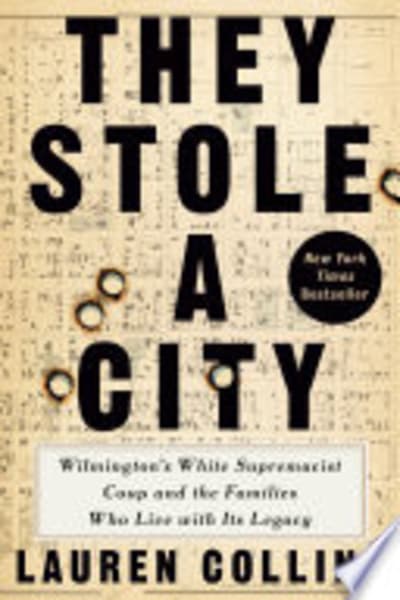
In They Stole a City, Lauren Collins builds her case around a simple but sharp framework: power doesn’t only operate through laws or bullets, it operates through who gets to define “normal,” and who gets blamed when the definition fails. Collins moves chapter by chapter through the mechanics of political capture—how officials, intermediaries, and organized interests coordinate to reshape a community’s fate while keeping the public story tidy. One of the book’s most concrete sections is the chapter that focuses on the “paper city” problem: the way maps, plans, and administrative language can be used to launder decisions that would look uglier if they were described plainly.
Collins’s method is part reporting and part moral accounting. She returns to recurring actors and patterns, so you feel the repetition the way residents probably did: promises made, timelines stretched, accountability reassigned, and then—when consequences land—everyone insists they were merely following procedure. She’s especially effective when she zooms in on the gap between stated goals and actual outcomes, showing how “public process” can become a stage set. Collins also threads in the long tail: the damage doesn’t end when a deal is signed; it shows up later in housing, jobs, schooling, and daily safety.
The honest limitation: because the description you gave doesn’t include the book’s table of contents, I can’t name additional chapter titles beyond the “paper city” concept without risking inaccuracies. Also, if you want a narrative that never slows down, Collins’s investigative pacing will frustrate you; she’s more interested in systems than suspense.
Key Takeaways from They Stole a City
-
1
Political capture: Collins shows how influence works through definitions, not just decisions, turning “normal” into a weapon.
-
2
Paper city problem: Maps and administrative language can sanitize harmful choices, making accountability slippery and delayed.
-
3
Public process as theater: Procedures can function like a stage set where outcomes are pre-selected and objections are procedural only.
-
4
Moral accounting: Collins tracks who benefits versus who pays, then revisits the same patterns until the excuses run thin.
-
5
Long-tail damage: The book treats consequences as delayed effects across housing, work, and safety, not a single headline moment.
Who Should Read This
Someone who feels like local politics is “always complicated” and wants a concrete explanation for how ordinary people get boxed out will likely appreciate Collins’s approach. If you’ve just watched a community decision turn into a slow-motion betrayal and you’re trying to understand the mechanism, this is a strong fit.
Who Shouldn't Read This
Someone who wants a fast, character-driven narrative with cliffhangers will be disappointed by Collins’s investigative structure and recurring re-examination of systems. If you’re looking for a tidy policy playbook with clear step-by-step reforms, Collins gives you diagnosis more than prescriptions, and that mismatch will frustrate you.
Editor's Verdict
The single best thing They Stole a City does is show the “paper city” problem—how administrative language can launder control—then keep proving it through repeated patterns of accountability failure. The real limitation is that the book is built for readers who enjoy systems-level reporting, not for people who want a suspense-forward story. This hits hardest for anyone mid-career who’s realized their work or civic life is shaped by processes they don’t control and needs a reality check with receipts.
Ready to read They Stole a City?
Get your copy on Amazon today.
They Stole a City — Frequently Asked Questions
About Lauren Collins
Lauren Collins is an author and journalist. They have reported extensively on politics, conflict, and the institutions that shape public life, drawing on firsthand interviews and documented research. That background makes them credible to write about how power operates and is contested in the context of urban governance and conflict. Collins is also the author of The Race for Paradise and other nonfiction works. They Stole a City examines the forces behind the seizure and control of a city.