The Undying — Book Summary & Review
by Anne Boyer
Last updated:
The Undying Summary
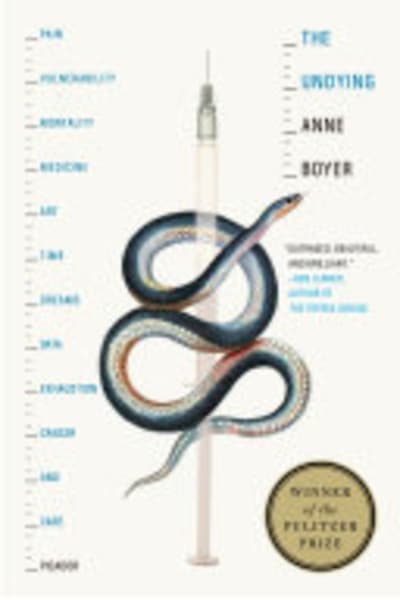
In The Undying, Anne Boyer builds a tension between “data” and “sensate” experience, arguing that illness is both measurable and radically untranslatable. Boyer’s cancer diagnosis—highly aggressive triple-negative breast cancer—becomes the engine of the book, but she refuses the usual split between memoir comfort and medical explanation. Instead, she threads her days of pain, scans, and waiting through references that feel oddly practical: Roman dream diarists, John Donne, and the way screens turn private suffering into a kind of public interface. One of Boyer’s most memorable moves is her attention to the “many little murders of capitalism,” where she connects drug pricing, hospital bureaucracy, and corporate messaging to the pace and shape of treatment. She also returns again and again to “time”: the way protocols compress your life into schedules while your body keeps dragging its own calendar behind it. A concrete example: she lingers on the ecological costs of chemotherapy, refusing the cozy fiction that care is clean, local, and morally cost-free.
Boyer’s chapter structure leans essayistic rather than chronological, so the book can feel like a set of arguments with autobiographical anchors, not a clean “what happened next” story. That’s the honest limitation: if you want a linear recovery narrative, or if you’re looking for a straightforward guide to cancer decision-making, The Undying will frustrate you. The style also leans fiercely interpretive and occasionally accusatory, which can read as exhausting if you’re already depleted. Still, Boyer’s anger has precision; she makes it hard to look away from how gender politics, media performance (cancer vloggers, hoaxers, fetishists), and institutional language shape what patients are allowed to feel. By the end, The Undying doesn’t promise consolation—it offers a stubborn, bodily refusal to let death be managed into silence.
Key Takeaways from The Undying
-
1
Data-as-Body: Boyer treats medical metrics as partial truths, because pain and fear don’t fit neatly into numbers.
-
2
Dream-Diary Practice: Roman dream diarists become a model for recording mind-body signals when daylight reality is unreliable.
-
3
Time-Compression Protocols: Treatment schedules shrink your lived calendar, turning “waiting” into a measurable but emotionally warped interval.
-
4
Capital’s Little Murders: She links corporate incentives and hospital messaging to the micro-choices that worsen suffering for patients.
-
5
Screen-Mediated Illness: Cancer content online changes how grief is narrated, performed, and sometimes weaponized.
Who Should Read This
Someone who’s stuck between medical facts and bodily experience—maybe you’re tracking symptoms while feeling gaslit by jargon—will find Boyer’s framework clarifying. If you’re exhausted by sanitized illness narratives and want a book that treats screens, gender, and institutions as part of the disease itself, read it.
Who Shouldn't Read This
If you want a chronological memoir with practical takeaways for treatment decisions, The Undying will feel unfocused and frustrating. If you dislike essayistic, argumentative prose that stays angry and metaphor-heavy, Boyer’s style may drain you instead of comforting you.
Editor's Verdict
The single best thing Anne Boyer does is connect “data, pain, time” to the material world—especially when she pivots from her own treatment into the ecological costs of chemotherapy and the corporate logic around care. The real limitation is that the book offers interpretation more than guidance, so readers seeking a step-by-step cancer roadmap will leave dissatisfied. Anyone newly diagnosed or in the thick of ongoing treatment will feel it hardest during the book’s screen-and-institution sections, when your private suffering is being translated into systems and content.
Ready to read The Undying?
Get your copy on Amazon today.
The Undying — Frequently Asked Questions
About Anne Boyer
Anne Boyer is an American writer and essayist. They have written widely on grief, illness, and care, drawing on personal and reported experience to examine how people live alongside chronic conditions and loss. Boyer is credible on these topics through their long-form nonfiction work and sustained attention to end-of-life realities. Their other notable books include The Death of the Author and The Undying.