The Radicalism of the American Revolution — Book Summary & Review
Last updated:
The Radicalism of the American Revolution Summary
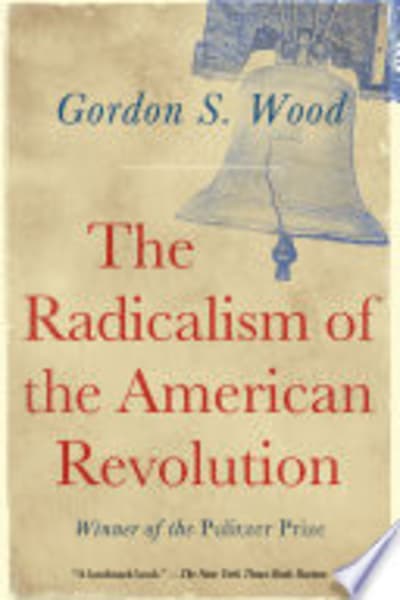
Gordon S. Wood frames The Radicalism of the American Revolution around a blunt claim: the Revolution wasn’t only a political break from Britain, it was a social and ideological upheaval that helped convert a comparatively “feudal” world into one that looked more democratic and less deferential. Wood’s core engine is his attention to political culture—how ordinary colonists and elites argued about legitimacy, representation, and authority—and he keeps returning to the mismatch between what revolutionaries said they wanted and what they ended up building. One of the book’s most concrete moves comes in his treatment of “republicanism,” where virtue, corruption, and the fear of concentrated power become more than slogans; they shape lawmaking, local governance, and expectations for officeholding. Wood also leans hard on the idea that radicalization accelerated as new institutions formed, especially when war pressures and mass politics collided with older hierarchies.
A specific payoff is his discussion of popular political participation during the 1770s and 1780s: committees, town meetings, and the language of rights created habits of argument that didn’t disappear when the fighting ended. Wood then sharpens the disappointment angle—founders who wanted orderly change often faced a democratic reality that baffled them, because revolution trained people to demand accountability and to question status. If you want a chapter anchor, look for the sections where Wood tracks the transformation of American political life from colonial forms into revolutionary governance; he treats that shift as the real radical act, not merely the Declaration or the battlefield.
Limitation: Wood is not a narrative of battles or personalities, and he won’t pause to explain basic Revolutionary War chronology; if you’re looking for a story-first account or quick “what happened when” timeline, you may find the focus on ideas and institutions frustrating.
Key Takeaways from The Radicalism of the American Revolution
-
1
Republicanism: Wood treats it as a governing logic—virtue and corruption fears shape laws, elections, and public behavior.
-
2
Radicalism: In Wood’s usage, it’s social transformation through new habits of authority, not only independence from Britain.
-
3
Political culture: He follows the argument-style of colonists—how legitimacy was debated changes what institutions become possible.
-
4
Deference and hierarchy: Wood emphasizes the erosion of status assumptions, showing how revolutionaries attack social rank as well as crowns.
-
5
Revolutionary institutions: Local governance and wartime participation create durable expectations that outlast the conflict itself.
Who Should Read This
Someone who’s tired of Revolutionary War history that stays stuck on generals and treaties should read Wood to see how ideology reorganized everyday authority. If you’re arguing with friends about whether the Revolution was “really about freedom” or “really about power,” Wood gives you a framework you can’t easily hand-wave away.
Who Shouldn't Read This
If you want a brisk, character-driven narrative with clear chronological signposts, Wood’s institution-and-idea focus will feel demanding and occasionally cold. If you dislike dense political language and long causal chains, Wood’s style will test your patience more than the average college history text.
Editor's Verdict
The single best thing Wood does is connect republicanism to actual governance choices, especially his insistence that political culture reshaped law and participation during the revolutionary era. The real limitation is that he largely refuses battle-centric storytelling, so readers expecting a dramatic plot will feel underfed. This book hits hardest for anyone mid-career questioning why legitimacy and authority still get contested in public life—right when you realize revolution wasn’t only an event, it was a change in habits of judgment.
Ready to read The Radicalism of the American Revolution?
Get your copy on Amazon today.
The Radicalism of the American Revolution — Frequently Asked Questions
About Gordon S. Wood
Gordon S. Wood (born 1933) is an American historian and professor emeritus at Brown University. A specialist in early American and revolutionary-era history, he earned his academic training in the field and has published extensively on the political thought and transformation of the American Revolution. His expertise makes him credible on the origins and development of revolutionary radicalism. Notable works include The Creation of the American Republic, 1776–1787 and Empire of Liberty.