The Power Broker — Book Summary & Review
Last updated:
The Power Broker Summary
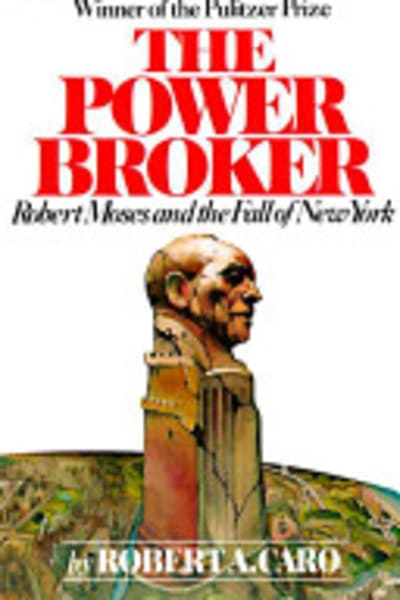
Robert Caro's 'The Power Broker' opens with a detailed account of the Cross-Bronx Expressway, a project that epitomizes Robert Moses's influence over New York City. Caro meticulously dissects how Moses wielded power far beyond his official titles, with the chapter 'The Use of Power' revealing the mechanisms that allowed him to reshape urban landscapes. The book is structured to chronicle Moses's rise and the political machinations that sustained his authority, including the manipulation of public opinion and strategic alliances. While Caro's exhaustive research provides a comprehensive view of Moses's impact, the book can overwhelm those seeking a concise narrative. Its density and detail serve more as a deep dive into power dynamics than a straightforward biography, which could frustrate readers looking for a more conventional life story arc.
Key Takeaways from The Power Broker
-
1
The Cross-Bronx Expressway: A case study in how Moses's infrastructural projects displaced communities without public accountability.
-
2
The Power of Patronage: Moses secured loyalty and resources by controlling jobs and contracts, illustrating a key source of his influence.
-
3
The Triborough Bridge Authority: Moses created and maintained authority through quasi-independent agencies, bypassing traditional checks and balances.
-
4
The Art of Public Relations: Moses used media manipulation to shape public perception, ensuring support for controversial projects.
-
5
The Moses Doctrine: Caro identifies Moses's belief that physical infrastructure is the ultimate symbol and source of power.
Who Should Read This
Someone who is grappling with the complexities of urban development and seeks a historical case study of power in practice. If you are questioning how unelected officials can wield significant influence, this book offers valuable context.
Who Shouldn't Read This
If you dislike dense, detail-heavy narratives, Caro's exhaustive style may feel burdensome. Those looking for a quick overview of Robert Moses's life will find the extensive depth unnecessary.
Editor's Verdict
The best aspect of 'The Power Broker' is Caro's deep dive into the relationship between power and infrastructure, especially in 'The City Shaper' chapter. However, its sheer length and detail can be daunting, making it less accessible for casual readers. This book resonates most strongly with those contemplating the unseen forces shaping urban environments and public policy.
Ready to read The Power Broker?
Get your copy on Amazon today.
The Power Broker — Frequently Asked Questions
About Robert A. Caro
Robert A. Caro, born October 30, 1935, is an acclaimed American journalist and author known for his detailed biographies. He gained credibility on urban planning and political power through his Pulitzer Prize-winning work, "The Power Broker," which examines the life of influential urban planner Robert Moses. Caro's meticulous research and narrative style have also earned him acclaim for his ongoing multi-volume biography of President Lyndon B. Johnson, including the Pulitzer-winning "The Path to Power" and "Master of the Senate."