The Monk: A Romance — Book Summary & Review
by M. G. (Matthew Gregory) Lewis
Last updated:
Public domain via Project Gutenberg — free and legal.
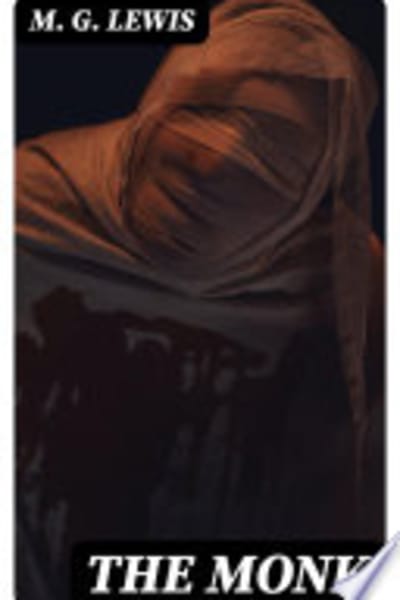
The Monk: A Romance Summary
In The Monk: A Romance, Lewis builds the story around a deliberately claustrophobic chain of settings—monastery corridors, confession rooms, and sudden violence—so the plot feels trapped even when it’s sprinting. The novel’s structure keeps snapping between “holy” spaces and bodily reality, and Lewis uses that contrast like a pressure gauge: every time you think the next scene will be moral, the book turns it into a horror problem. One of the clearest examples is the way Lewis threads rumor and secrecy through the monastery, culminating in the kind of confession-and-consequence mechanics that make the book feel engineered rather than accidental. The title isn’t metaphorical; it’s a dare to the reader about what religious authority can hide.
Lewis also leans hard into gothic machinery: sudden revelations, overheard conversations, and a relentless escalation that treats desire as both spiritual sickness and physical catastrophe. The monastery isn’t just backdrop—it’s an institution with blind spots, and Lewis keeps showing how quickly those blind spots become tools for cruelty. There’s a reason the book is repeatedly discussed alongside other gothic horrors: Lewis writes with speed, but he also stages scenes with a grim sense of inevitability, like the characters are walking into traps they can’t name.
That said, The Monk: A Romance doesn’t do psychological realism or gentle moral reflection; it’s not interested in careful aftermath or redemption arcs that satisfy modern expectations. If you want restrained prose, balanced perspective, or a story that treats sexual violence with the kind of moral distance many readers now expect, Lewis will likely frustrate you. You should also be prepared for a tone that often feels like it’s daring you to look away, then punishing you for looking.
Key Takeaways from The Monk: A Romance
-
1
Monastery-as-machine: Lewis treats cloister life as an engine that converts secrets into outcomes, not a sanctuary for growth.
-
2
Confession-and-consequence: the book repeatedly links private speech to public ruin, showing authority as a conduit for harm.
-
3
Gothic escalation: Lewis stacks revelations and reversals with brisk timing, so dread grows through momentum rather than slow dread.
-
4
Desire as contagion: characters’ longing is framed as something that spreads, distorts judgment, and invites predation.
-
5
Rumor circuitry: gossip inside religious spaces functions like a tracking system, guiding violence with bureaucratic efficiency.
Who Should Read This
Someone who wants gothic horror that uses institutional secrecy—especially monastery life and confession dynamics—as the engine of terror will likely enjoy Lewis. If you’re in a mood for taboo, high-stakes melodrama with relentless escalation and you can handle graphic subject matter, this is for you.
Who Shouldn't Read This
If you need a book that treats rape and sexual violence with careful moral framing, Lewis’s approach will feel exploitative rather than responsible. If you prefer character growth, psychological nuance, and consequences that linger with empathy, you’ll find The Monk: A Romance blunt and relentlessly sensational.
Editor's Verdict
The single best thing Lewis does is weaponize monastery structure—especially the confession-and-secrecy logic—so the horror feels procedural, not random. The real limitation is that Lewis leans into shock and taboo content so aggressively that it often overwhelms any sense of moral clarity or emotional care. This hits hardest for readers who are already comfortable with gothic conventions and are looking for a historically famous, morally messy horror novel to judge on its own terms.
Ready to read The Monk: A Romance?
Get your copy on Amazon today.
The Monk: A Romance — Frequently Asked Questions
About M. G. (Matthew Gregory) Lewis
M. G. (Matthew Gregory) Lewis (1775–1818) was an English writer and dramatist. He was educated in Britain and lived in Europe, where he encountered continental literature that shaped his interest in Gothic themes. Lewis is credible on religious and psychological conflict in fiction because he wrote extensively in the Gothic and theatrical traditions that developed these subjects. He is best known for The Monk: A Romance (1796). Other notable works include The Castle Spectre (1797) and Tales of Terror (1799).