The Intelligent Investor — Book Summary & Review
Last updated:
The Intelligent Investor Summary
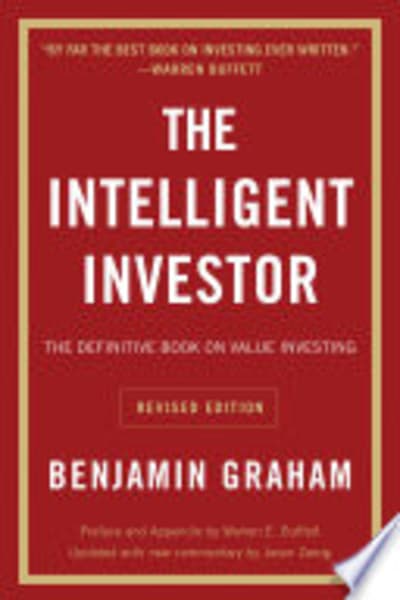
Benjamin Graham opens The Intelligent Investor with his defensive framework: investors should treat “Mr. Market” as a source of quotes, not commands, and then use that emotional distance to build a portfolio with a margin of safety. What I actually came away with is how Graham keeps dragging your attention back to process—what you’re allowed to believe from a price, what you must verify from business facts, and why you should demand room for error. In the first part, his discussion of defensive versus enterprising investors isn’t motivational fluff; it’s a set of tradeoffs about time, discipline, and how much uncertainty you’re willing to tolerate. The book’s famous “Graham Number” idea and the insistence on conservative valuation standards are where his method becomes concrete rather than philosophical. He also spends real time on the dangers of forecasting, arguing that most investors end up paying for predictions they can’t support. The later material, especially the sections about market behavior and investor psychology, feels less like a lecture and more like a checklist for resisting the urge to chase what just worked.
Still, Graham (and the Zweig annotations in this edition) don’t solve every modern problem. If you want a guide to trading, tax-optimized brokerage strategy, or crypto-style asset research, this book will frustrate you because it’s built for security analysis and long-term ownership, not constant activity or new asset classes. I finished it convinced that Graham’s core value investing discipline is more demanding than it sounds, but also that you can’t skim your way to good results. The Intelligent Investor rewards readers who can tolerate boring accounting work and who accept that “safe” isn’t a vibe—it’s a calculation. Graham’s repeated emphasis on skepticism is the point.
Key Takeaways from The Intelligent Investor
-
1
Mr. Market: Treat price swings as offers from a counterpart, so you decide based on value, not mood.
-
2
Margin of Safety: Buy when the estimated value leaves room for error, so you’re protected if your assumptions are wrong.
-
3
Defensive Investor: Prioritize low turnover and disciplined selection, accepting average market returns without gambling on forecasts.
-
4
Enterprising Investor: Earn your outperformance through active analysis, but only within rules that limit emotional and analytical drift.
-
5
Graham Number: Use a conservative valuation yardstick to screen stocks, focusing on tangible fundamentals instead of narratives.
Who Should Read This
If you’re staring at your brokerage app and feeling like every dip is either a gift or a trap, Graham’s Mr. Market framework will help you regain control. Someone who keeps buying after headlines and selling after fear should read this before they turn “gut instinct” into a long-running habit.
Who Shouldn't Read This
If you want a modern, step-by-step trading system with specific buy/sell triggers, The Intelligent Investor will feel slow and restrictive. If you hate reading financial statements and want the book to do the thinking for you, Graham’s margin of safety logic will feel like homework you didn’t sign up for.
Editor's Verdict
The single best thing Benjamin Graham does is force valuation discipline through Mr. Market and the margin of safety idea, so your decisions are anchored to business facts rather than price emotions. The limitation is that the book offers no practical guidance for modern asset classes or active trading tactics, so it won’t satisfy readers seeking day-to-day “what to do next.” This hits hardest for anyone early in their investing life who keeps chasing performance and needs a rule-based way to stop.
Ready to read The Intelligent Investor?
Get your copy on Amazon today.
The Intelligent Investor — Frequently Asked Questions
About Benjamin Graham
Benjamin Graham (1894–1976) was an American investor and finance professor, often called the “father of value investing.” He studied at Columbia University and built a career analyzing securities, later teaching at Columbia Business School. He is credible on long-term investing because his disciplined, research-based approach helped guide investment decisions and he wrote extensively on margin of safety and defensive versus enterprising strategies. Other notable works include Security Analysis (with David Dodd) and The Interpretation of Financial Statements.