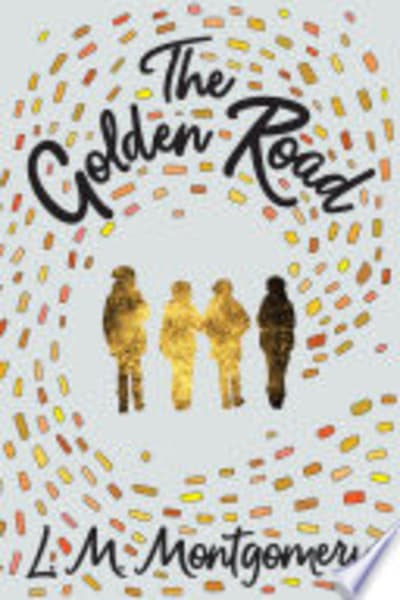
The Golden Road — Book Summary & Review
by L. M. (Lucy Maud) Montgomery
Last updated:
Public domain via Project Gutenberg — free and legal.
The Golden Road Summary
Sara Stanley, the Story Girl, returns to Carlisle to help the King children publish a local magazine, and the whole setup is treated like a real craft project with rules, roles, and deadlines. In The Golden Road, Montgomery keeps circling one practical question: what makes writing feel “alive” instead of merely correct? The magazine work becomes a framework for friendship and authorship—Sara is both participant and editor-in-training—so every scene is really about how a story gets shaped by audience, collaboration, and risk.
The book’s structure is episodic, moving from planning issues to chasing contributions, revising copy, and negotiating who gets to decide what’s printed. One recurring concrete example is Sara’s insistence on writing with purpose for the town, not for imaginary judges; she pushes the King kids to treat readers like people rather than decorations. Montgomery also makes authorship feel communal: the children trade drafts, argue over tone, and learn that “good” writing often means choosing what to cut. Even when the plot turns toward social friction—hurt feelings, jealousy, the ache of being misunderstood—Montgomery keeps pulling the characters back to the magazine as a shared responsibility.
Sara’s growth is the emotional spine, but Montgomery’s interest in craft is the engine. She doesn’t offer a separate “writing system,” yet her method is consistent: draft in community, revise for clarity, and let the work earn its own momentum. The Golden Road is also very specific about publication as a moral act—what you print affects real relationships.
Honest limitation: this isn’t a modern “how-to” for writers. If you want a direct, step-by-step guide to publishing or a tightly plotted romance-driven story, Montgomery’s gentle, character-first pacing may feel slow and domestic.
Key Takeaways from The Golden Road
-
1
Local magazine publishing: Montgomery treats the paper as a living classroom where deadlines and audience shape every draft.
-
2
Sara Stanley’s editorial instincts: Sara learns to revise for clarity and kindness, not just for correctness or cleverness.
-
3
King children’s collaboration: Writing is portrayed as shared labor, with arguments over tone functioning like craft lessons.
-
4
Carlisle as audience: The town isn’t backdrop; it’s the standard that forces characters to write with purpose.
-
5
Friendship through revision: Montgomery links emotional repair to rewriting, so conflict resolves through new drafts.
Who Should Read This
If you’re stuck in a creative rut and your drafts feel like they’re written for nobody, this book gives you a town-sized reason to try again. Someone who misses the feeling of writing with real collaborators—friends who will argue, revise, and show up—will likely latch onto Sara’s magazine work.
Who Shouldn't Read This
If you want a fast plot with big external stakes, The Golden Road spends more time on everyday publishing logistics and social dynamics than on dramatic action. If you’re looking for a modern craft manual that tells you exactly what to do next, Montgomery’s approach stays fictional and character-led rather than instructional.
Editor's Verdict
The Golden Road’s best move is turning Sara Stanley’s magazine project into a practical ethics of authorship, especially in the repeated cycles of planning, revising, and deciding what Carlisle actually needs. The real limitation is that Montgomery never converts her fictional process into a crisp, actionable writing guide, so productivity-minded readers may feel teased rather than equipped. This hits hardest for anyone returning to writing after a confidence dip—right when you’re tempted to quit because your work doesn’t feel “real” yet.
Ready to read The Golden Road?
Get your copy on Amazon today.
The Golden Road — Frequently Asked Questions
About L. M. (Lucy Maud) Montgomery
L. M. (Lucy Maud) Montgomery (1874–1942) was a Canadian author from Prince Edward Island. She grew up in Cavendish and drew on local landscapes, communities, and rural life for her writing, giving her firsthand knowledge of the setting and culture that inform works like The Golden Road. Montgomery’s credibility comes from her long career producing widely published fiction grounded in PEI experiences. Other notable works include Anne of Green Gables and Emily of New Moon.