Son of the Wilderness — Book Summary & Review
Last updated:
Son of the Wilderness Summary
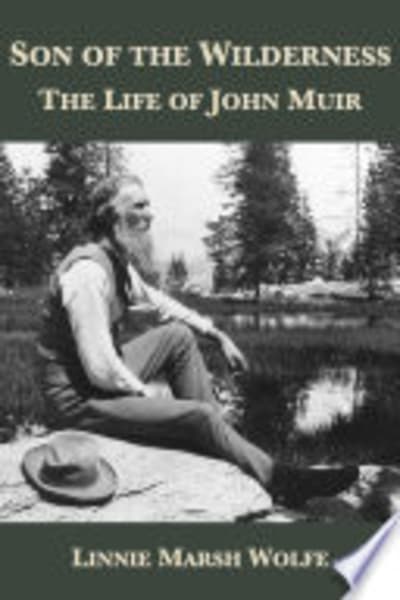
In Son of the Wilderness, Linnie Marsh Wolfe builds her portrait of John Muir around a clear biographical spine: Scottish origins, Wisconsin wilderness years, the mechanical-and-science mind at the University of Wisconsin in Madison, and then the long pivot into California life. Wolfe’s first major engine is her use of Muir’s own letters and journals to create something close to an “autobiography he never wrote,” and she keeps returning to the same tension: Muir’s mystical intensity paired with an athlete’s practical competence. A specific highlight is her attention to Muir’s Wisconsin training—his aptitude for machines and his early seriousness about botany and geology—followed by his shift into the Canadian wilderness and, ultimately, the California years that made his public name. Wolfe also leans into the social friction of the man: in her telling, he can be socially abrupt, yet his enthusiasm for nature is disciplined and investigative, not merely lyrical. The book’s structure feels like it’s constantly asking what in the early landscape formed the later prophet. Wolfe’s method is also the book’s argument: she doesn’t treat Muir as a saint; she treats him as a working naturalist shaped by specific places, conversations, and documents.
The honest limitation is that Son of the Wilderness is heavy on factual reconstruction and character interpretation, not on narrative suspense; if you want a fast-moving environmental saga with modern stakes, you may find the pacing slow and the focus strictly historical. It also won’t satisfy readers looking for Muir’s science explained at a technical level—Wolfe stays biographical, even when she gets detailed about plants, rocks, and the settings where Muir learned to see them. Still, Wolfe’s labor shows, and her judgment—sober, sometimes corrective—keeps the account from turning into pure reverence.
Key Takeaways from Son of the Wilderness
-
1
John Muir Association archives: Wolfe uses organizational access and unpublished papers to ground claims in primary material.
-
2
Scottish origins framework: the biography treats early displacement and temperament as causes, not trivia, for later Muir behavior.
-
3
University of Wisconsin Madison years: mechanical aptitude and botany/geology curiosity are presented as a pre-environmental education.
-
4
Wisconsin wilderness stage: early harsh-country experience is used to explain Muir’s endurance and his practical relationship to nature.
-
5
First-person narrative effect: Wolfe’s “autobiography he never wrote” arises from letters and journals stitched into biography.
Who Should Read This
Someone who feels pulled toward John Muir but suspects the usual quotes hide a messier, more human story will get what they want here. If you’re knee-deep in American environmental history and want Wolfe’s document-based reconstruction of how Muir became Muir, this will fit the gap.
Who Shouldn't Read This
If you’re craving a scene-driven wilderness adventure with contemporary urgency, Wolfe’s documentary approach will feel slow and academic. If you want a technical guide to Muir’s geology or botany methods, Son of the Wilderness stays focused on life history, not instruction.
Editor's Verdict
The single best thing Wolfe does is her archival-driven character construction—especially the way she links Muir’s University of Wisconsin Madison interests in botany and geology to the later California public figure. The real limitation is that the book prioritizes factual reconstruction over narrative momentum, so it can feel more like sustained scholarship than lived drama. This hits hardest for anyone mid-career questioning why they work so hard, because Wolfe keeps showing the psychological engine behind Muir’s intensity rather than packaging it as legend.
Ready to read Son of the Wilderness?
Get your copy on Amazon today.
Son of the Wilderness — Frequently Asked Questions
About Linnie Marsh Wolfe
Linnie Marsh Wolfe (1886–1972) was an American author and educator known for writing about the American wilderness and frontier life. She drew on extensive research and firsthand interviews with people connected to early conservation and trail history, making her credible on wilderness culture and survival themes. Her books include Son of the Wilderness and The Women’s Way to Health.