Ransom — Book Summary & Review
by Daniel Silva
Last updated:
Ransom Summary
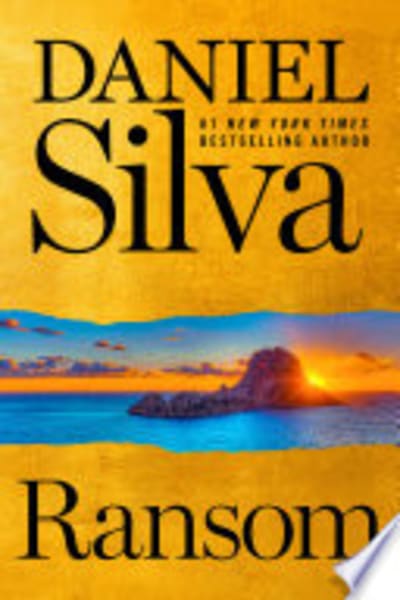
Ransom by Daniel Silva is built around a classic Silva setup: a covert plot that keeps tightening as his protagonist network collides with a single, escalating objective. The book’s engine is the sense that every “small” move—an intercepted message, a quiet surveillance decision, a personal concession—feeds the larger trap, and Silva keeps returning to that cause-and-effect rhythm. Silva’s writing leans hard into tradecraft atmosphere: briefings that feel procedural, scenes staged like operations rather than conversations, and a steady emphasis on who has leverage over whom.
One of the most telling structural choices is how Silva uses the story’s pacing to force you to revise your assumptions about motive. Even when you think you understand why a character is acting, Silva keeps re-framing the situation through new information and shifting priorities, which is why the tension doesn’t come from jump scares—it comes from accumulating context. A concrete example: the book’s recurring focus on communications discipline (who speaks, when, and through what channel) turns ordinary dialogue into a kind of tactical evidence. Another example is Silva’s tendency to stage reveals as operational problems—someone’s plan fails because of a misread risk, not because the author suddenly needs drama.
Silva also plays the psychological game well: characters don’t just “want” things; they want them under constraints, and Silva makes those constraints visible. That said, Ransom doesn’t offer much in the way of interiority or moral philosophy; it’s a machinery-forward thriller where character reflection is secondary. If you’re looking for a meditation on ethics or a slow-burn relationship novel, Silva will frustrate you—this is plot-first, and the plot is the point.
Key Takeaways from Ransom
-
1
Covert objective: Silva structures scenes so every action advances a single operational goal, not a theme or mood.
-
2
Communications discipline: conversations function like evidence; what characters say and when it’s said changes the tactical picture.
-
3
Operational constraints: characters repeatedly act under limits, making decisions feel procedural rather than purely emotional.
-
4
Reframed motives: Silva revises your understanding through new context, so earlier assumptions get quietly undermined.
-
5
Plot-first pacing: Silva prioritizes tradecraft mechanics over deep interior reflection, which shapes the whole reading experience.
Who Should Read This
If you’re the kind of reader who gets restless when thrillers feel like vibes instead of logistics, Ransom by Daniel Silva will satisfy you. Someone who wants a spy story where communications, leverage, and constraints drive the tension will likely enjoy how Silva builds momentum.
Who Shouldn't Read This
If you need characters to wrestle openly with ethics or you crave heavy interiority, you’ll feel shortchanged by how plot mechanics dominate in Silva’s Ransom. If you’re burned out on procedurally staged reveals and want a slower, character-centered novel, this one will feel relentless.
Editor's Verdict
The single best thing Ransom by Daniel Silva does is make operational details—especially communications discipline and leverage—feel like the real stakes, not decoration. The limitation is that Silva keeps moral and psychological depth thin, so the emotional payoff relies mostly on plot turns. This book hits hardest for anyone who’s just finished an action-heavy thriller and wants the next one to feel more like tradecraft than spectacle, even mid-commute or late at night.
Ready to read Ransom?
Get your copy on Amazon today.
Ransom — Frequently Asked Questions
About Daniel Silva
Daniel Silva is an American author and journalist known for international thrillers. He has reported on national security and foreign affairs for major outlets, including serving as a correspondent covering Middle East and European security issues, which informs his fiction about intelligence and counterterrorism. Silva’s credibility comes from his long career writing about the operations and political context of covert services. He is also the author of The Kill Artist and The English Assassin.