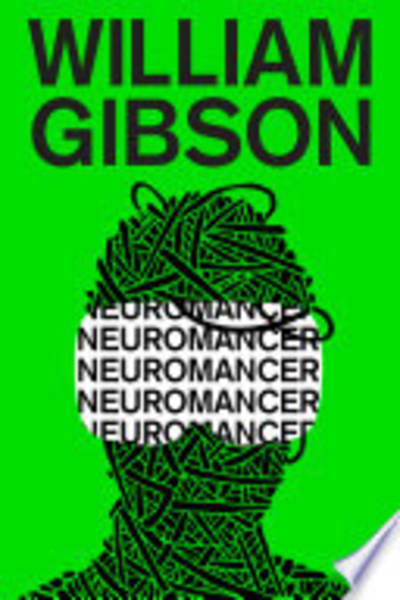
Neuromancer — Book Summary & Review
Last updated:
Neuromancer Summary
The opening setup of Neuromancer hinges on Case’s “last-chance run” after his nervous system is wrecked, and William Gibson keeps that injury as a constant, physical reminder that the future has consequences. Gibson builds the plot around a corporate conspiracy led by the Tessier-Ashpool clan and an AI called the Wintermute, then uses the information-superhighway as both setting and logic. The book’s structure is sleek but not quiet: it jumps between street-level hustle and high-level scheming, so you’re always translating between what people say and what they actually mean. Case’s crew—Molly and the dead man riding shotgun—doesn’t feel like a generic “band of misfits”; they’re functional pieces in Gibson’s system of leverage. One concrete example: the way Case “jacks in” is described like a hard procedure, not magic, and the sensory framing makes cyberspace feel less like a place and more like a negotiated interface. Another: the novel’s climactic push toward the AI’s awakening turns corporate rivalry into a kind of engineering problem, where power means access to systems, not dominance in a sword-fight. Gibson’s best trick is that he invents slang and technical shorthand, but he also keeps the stakes human—fear, addiction, betrayal, and humiliation. If you’ve ever felt like your skills are trapped behind someone else’s rules, Case’s situation lands with extra weight. Still, Neuromancer doesn’t offer a satisfying “how-to” for hacking or a clear moral philosophy; it’s an atmosphere-first novel, and the jargon can be frustrating if you want everything explained. You’ll also need patience for the book’s dense, sometimes abrupt shifts in who knows what and when.
Key Takeaways from Neuromancer
-
1
Information superhighway: Gibson treats cyberspace as infrastructure, where access, latency, and permissions decide who wins.
-
2
Wintermute: The AI functions like a corporate asset with an agenda, turning “conspiracy” into a systems-engineering puzzle.
-
3
Jacking in: The act is written as a procedure with bodily risk, so “virtual” consequences stay brutally physical.
-
4
Tessier-Ashpool: The dynasty runs on leverage and branding, showing how business intelligence becomes real-world coercion.
-
5
Street-samurai Molly: Her competence isn’t ornamental; she’s the novel’s counterweight to Case’s technical obsession.
Who Should Read This
If you’re the kind of person who keeps hearing that technology is “just tools,” and you want a story where tools behave like power, read Neuromancer. Someone who’s recently felt trapped by gatekeepers—work, credentials, or platforms—will recognize the emotional math behind Case’s desperation.
Who Shouldn't Read This
If you need clear explanations of every technical term and motive, Neuromancer will frustrate you with its purposeful opacity. If you prefer character-driven realism over stylized future-noir slang, Gibson’s voice may feel like noise instead of atmosphere.
Editor's Verdict
Neuromancer’s single best strength is how Gibson makes cyberspace feel like an interface with bodily cost, especially in the repeated jacking-in framework tied to Case’s injury. The real limitation is that the novel’s dense jargon and fast perspective shifts can leave you confused about who controls what and why. This hits hardest for anyone who’s just burned out on clean, optimistic tech fantasies and wants the cold corporate underside of the future to feel real.
Ready to read Neuromancer?
Get your copy on Amazon today.
Neuromancer — Frequently Asked Questions
About William Gibson
William Gibson (born 1948) is an American-Canadian writer known for pioneering cyberpunk science fiction. He was raised in the United States and Canada, and worked in journalism before turning to fiction. He is credible on this topic because his writing helped define the genre’s themes of networked computing, cyberspace, and digital culture. Notable works include Neuromancer (1984) and the Sprawl trilogy sequels Count Zero (1986) and Mona Lisa Overdrive (1988).