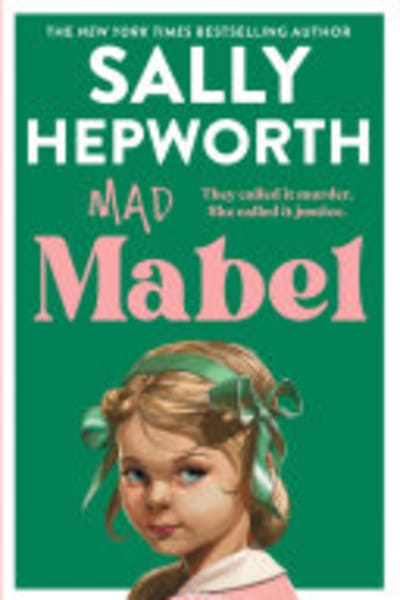
Mad Mabel — Book Summary & Review
Last updated:
Mad Mabel Summary
In Mad Mabel, Sally Hepworth structures the mystery around Elsie Mabel Fitzpatrick’s long-guarded “Mad Mabel” identity, then lets a new neighbor’s prying friendship pry it open in slow, escalating reveals. Elsie is eighty-one and the reigning gatekeeper of Kenny Lane, a woman who can smile while quietly controlling what everyone else thinks they know. Hepworth doesn’t treat the past like a tidy flashback; she treats it like a living pressure system, where one remembered choice keeps changing the meaning of everything that comes after. A specific anchor is the recurring neighborhood pattern Hepworth uses: when people notice too late, the damage is already locked in. The book’s best trick is how it makes you doubt the narrator-by-proximity—Elsie’s voice is sharp, observant, and self-justifying, and every time you think you’ve found the “real” story, Hepworth shifts the context by showing what Elsie omitted rather than what she said.
There’s a concrete early setup that matters: the talkative new girl’s attempts to befriend Elsie start as annoyance and become an investigation by social force, the kind that doesn’t require forensics. By the time the plot circles back to the “Mad Mabel” label from fifty years ago, you’re tracking not only who harmed whom, but why Elsie believes she can outlast consequences. Hepworth also plays fair with pacing: the secrets surface at neighborhood-scale moments—small conversations, odd omissions, and sudden acts of “help”—until the murder history feels less like a twist and more like the logical end of a person’s strategy.
Limitation: if you want a fast, puzzle-box whodunit with a clean, single solution, Mad Mabel may frustrate you. It’s more interested in character self-mythology and social dynamics than in airtight procedural clarity.
Key Takeaways from Mad Mabel
-
1
Elsie Mabel Fitzpatrick’s “curmudgeon” persona is a disguise framework, letting her manage trust while hiding motive and method.
-
2
Kenny Lane functions like a social surveillance system, where gossip and kindness become tools for uncovering (or protecting) secrets.
-
3
The “Mad Mabel” label operates as a recurring identity trigger, resurfacing old events by changing how neighbors interpret new behavior.
-
4
Hepworth’s past-as-pressure approach means revelations reframe earlier scenes, so you reread emotional beats instead of facts.
-
5
Neighbor friendship as investigation shows how persistence can replace evidence, turning small interactions into lethal momentum.
Who Should Read This
Someone who’s tired of mysteries where every clue is a neat object and wants character-driven suspense with social pressure will likely enjoy Mad Mabel. If you spend weekends binging domestic thrillers but crave a slower burn that still keeps tightening, Hepworth’s setup will fit your mood.
Who Shouldn't Read This
If you’re the type who gets impatient when the story leans heavily on voice, omission, and recontextualization, you may find Mad Mabel frustrating. If you want a straightforward procedural whodunit with minimal ambiguity about mechanics, Hepworth’s emphasis on psychology and neighborhood dynamics will disappoint.
Editor's Verdict
Mad Mabel’s best feature is Hepworth’s use of Elsie’s self-justifying narration to make the “Mad Mabel” past feel like an evolving threat, not a static secret. The limitation is that the book prioritizes social psychology and reframing over airtight, clue-by-clue deduction. This hits hardest for readers who have recently grown skeptical of twisty thrillers and want a story where the scariest part is how easily people cooperate with their own blind spots.
Ready to read Mad Mabel?
Get your copy on Amazon today.
Mad Mabel — Frequently Asked Questions
About Sally Hepworth
Sally Hepworth is an Australian author known for domestic suspense novels. She has worked as a journalist and editor, giving her experience with research, interviews, and storytelling grounded in real-world detail. She is credible on this topic because her fiction draws on her background in reporting and her extensive track record writing psychological, mystery-driven narratives. Her other notable novels include The Good Sister and The Mother-in-Law.