Locking Up Our Own — Book Summary & Review
Last updated:
Locking Up Our Own Summary
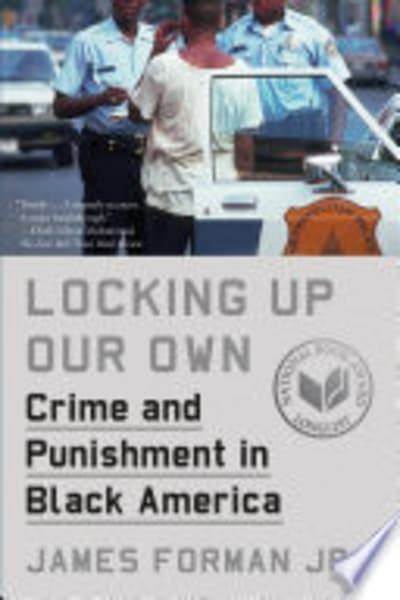
In Locking Up Our Own, James Forman Jr. builds a central framework he calls a “half-storied” narrative: the public debate blames white institutions while treating Black political and policing choices as background noise, and Forman argues that omission distorts accountability for mass incarceration. The book is organized around the decisions of the first substantial cohort of Black mayors, judges, and police chiefs who took office during a crime spike, especially in Washington, D.C., when “tough” approaches became a route to legitimacy and resources. Forman’s most concrete thread is how leaders weighed stringent drug and gun laws, harsh sentencing, and aggressive street enforcement, including pretext traffic stops in Black neighborhoods. He doesn’t pretend every official acted from cruelty; he repeatedly returns to the public defender’s courtroom vantage point, showing the human cost when policy turns “emergency” into routine.
One of Forman’s sharpest moves is to treat the “cancer” metaphor—used by some activists and officials—as a political technology, not just overheated rhetoric. In his telling, it helped justify removing people from communities rather than rebuilding conditions, even when leaders believed they were protecting Black families. Forman also tracks how voters and officeholders were pulled into punitive coalitions: the system rewarded tough-on-crime credibility, and refusing it could look like abandonment. If you’re wondering whether Forman is letting anyone off the hook, he isn’t; he’s insisting that the story of the war on crime is jointly authored, and that Black officials’ choices mattered.
Limitation: Forman largely concentrates on D.C. and on the early waves of leadership during the rise of “war on crime” policies, so readers looking for a full national, contemporary policy audit across states may feel the geographic lens is too narrow.
Key Takeaways from Locking Up Our Own
-
1
Half-storied narrative: Forman argues debates often blame white institutions while minimizing Black officials’ policy choices.
-
2
Pretext traffic stops: He explains how routine stops in Black neighborhoods were justified as safety tools, then expanded.
-
3
“Cancer” metaphor: Forman treats dehumanizing language as political permission for removal, not rehabilitation.
-
4
Public defender vantage: His courtroom experience anchors policy analysis in the consequences faced by defendants and families.
-
5
War-on-crime legitimacy: Forman shows how officeholders used toughness to gain credibility and funding during crisis years.
Who Should Read This
Someone who’s angry at mass incarceration but suspects the conversation is politically convenient—always pointing outward, never inward—will likely feel seen by Forman. If you’ve ever sat with family members arguing about “tough” policing in your own neighborhood, this book will give that argument a sharper, more uncomfortable structure.
Who Shouldn't Read This
If you want a book that offers a clean villain map with little ambiguity about motive, Locking Up Our Own will frustrate you. If you’re hoping for a step-by-step reform plan with policy checklists, Forman’s focus on history, accountability, and courtroom realities will feel too indirect.
Editor's Verdict
The single best thing this book does is connect the rise of punitive tools—especially pretext traffic stops and the “cancer” framing—to the choices made by Black mayors, judges, and police chiefs in D.C. The real limitation is that Forman’s evidence and narrative center on a specific place and period, leaving broader national comparisons thinner. This will hit hardest for anyone who’s spent years in the “crime vs. race” argument and now wants to confront how credibility politics inside Black leadership helped harden the system.
Ready to read Locking Up Our Own?
Get your copy on Amazon today.
Locking Up Our Own — Frequently Asked Questions
About James Forman Jr.
James Forman Jr. is a legal scholar and professor at Yale Law School. He served as a federal prosecutor and has written extensively on criminal justice, mass incarceration, and racial inequality in the U.S. His credibility on incarceration comes from his experience in the justice system and his scholarship analyzing how law and policy shape punishment. He is the author of Locking Up Our Own and also wrote The Making of Black America: The Supreme Court and the Politics of Equality.