How to Live — Book Summary & Review
Last updated:
How to Live Summary
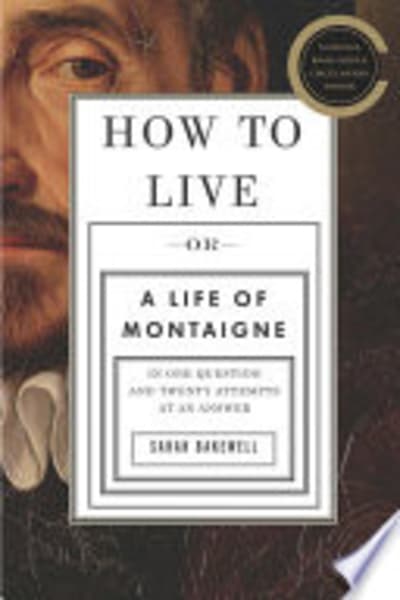
Bakewell's 'How to Live' cleverly frames Montaigne's life through the lens of twenty specific questions, like 'How to Live Without Knowing How to Live?' This structure not only outlines Montaigne's philosophies but also reveals the historical and personal context they grew from. In the chapter 'How to Wake Up from the Sleep of Habit,' Bakewell examines Montaigne's method of self-examination, urging readers to question their own routines. Her engaging prose ensures Montaigne's life feels relevant today, bridging the 16th-century world with our own. However, those looking for a thorough, traditional biography might find the narrative style and thematic focus a bit disjointed, as it often jumps between Montaigne's personal anecdotes and broader philosophical discussions.
Key Takeaways from How to Live
-
1
The Question Framework: Bakewell uses twenty questions to navigate Montaigne's philosophy, providing a fresh perspective on his ideas.
-
2
How to Face Death: Montaigne's acceptance of mortality is discussed, encouraging readers to rethink their own perceptions of death.
-
3
The Art of Conversation: Montaigne's views on dialogue suggest that engaging with diverse opinions enriches understanding and self-awareness.
-
4
How to Be Content: Montaigne's approach to finding happiness in everyday life is explored, focusing on simplicity and gratitude.
-
5
How to Deal with Violence: His reflections on human conflict are tied to personal and historical narratives, offering timeless strategies for peace.
Who Should Read This
If you're grappling with existential questions or seeking philosophical guidance on modern life challenges, this book awaits you. Someone who appreciates historical context interwoven with personal reflection will find it particularly engaging.
Who Shouldn't Read This
If you prefer a linear, straightforward biography, Bakewell's thematic approach may leave you frustrated. The book's style can be disjointed, which might annoy those seeking a more traditional narrative.
Editor's Verdict
The best aspect of 'How to Live' is its ability to make Montaigne's historical reflections feel urgent and contemporary, especially in 'How to Be Content.' The book's thematic approach can feel scattered and may disorient readers unfamiliar with Montaigne. For those at a crossroads in life, questioning personal happiness or purpose, Bakewell's insights will resonate deeply.
Ready to read How to Live?
Get your copy on Amazon today.
How to Live — Frequently Asked Questions
About Sarah Bakewell
Sarah Bakewell is a British author and biographer, renowned for her work on existentialism and philosophy. She studied philosophy at the University of Essex, which underpins her credibility in writing about philosophical topics. Bakewell gained prominence with her book "How to Live," a biography of Michel de Montaigne, exploring his essays and life. Other notable works include "At the Existentialist Café," examining the lives and ideas of existentialist philosophers, and "The English Dane," a biography of Jørgen Jørgensen.