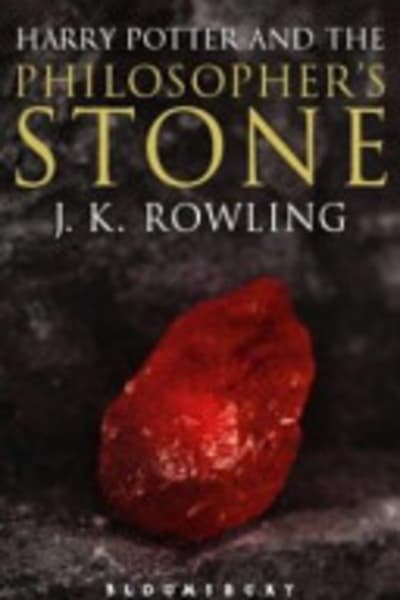
Harry Potter and the Philosopher's Stone — Book Summary & Review
by J.K. Rowling
Last updated:
Harry Potter and the Philosopher's Stone Summary
In Harry Potter and the Philosopher's Stone, Rowling structures the plot around a very specific “school mystery” engine: Harry is dropped into a walled system (Privet Drive, then Hogwarts) where clues build toward a hidden threat. The book opens with the Dursleys intercepting the letters, and Rowling keeps the early rhythm tight—each confiscated envelope and each odd detail (the Weasley family’s presence, the strange visitors, the sense that something is watching) nudges Harry from bewilderment into action. On Harry’s eleventh birthday, Hagrid arrives and the story switches gears into Hogwarts orientation, where the rules of magic feel concrete rather than hand-wavy. One of the best examples is the sorting sequence, because Rowling turns personality into consequence: bravery, ambition, insecurity—these aren’t slogans; they determine how students move through the world. Later, when Harry learns about Fluffy and the three-headed dog guarding the Philosopher’s Stone, the book uses that set piece to make the stakes physical. Rowling doesn’t just say danger exists; she stages it as puzzles, timing, and narrow escapes that force Harry to think like a student and act like someone in trouble. Even the Quidditch matches serve the larger mystery, adding social pressure and visibility so Harry can’t hide. A real limitation: Rowling doesn’t fully explain the deepest magical lore in this first book, so readers who want a tight, fully mapped magic-system from page one may feel teased rather than satisfied. If you’re hoping for the kind of adult, morally gray fantasy where every rule is rationalized immediately, Rowling’s tone stays more whimsical, and you’ll either buy in or you won’t.
Key Takeaways from Harry Potter and the Philosopher's Stone
-
1
Hogwarts houses map personality to daily life, so the story treats sorting as consequences, not decoration or trivia.
-
2
The letter-and-guardian setup turns “invisibility” into plot fuel, making the conflict personal before it becomes magical.
-
3
The Philosopher’s Stone mystery uses school rules as clues, so “learning” and “investigation” are the same activity.
-
4
Fluffy and the corridor puzzles show magic as problem-solving, with tension driven by timing and observation.
-
5
Quidditch functions as social pressure, widening the mystery’s audience beyond Harry’s private fear.
Who Should Read This
Someone who’s nostalgic for school stories but wants the wonder to come with real suspense will probably enjoy this. If you’re dealing with a stalled routine and need a narrative that rewards curiosity and persistence, Rowling’s Hogwarts setup is a strong fit.
Who Shouldn't Read This
Someone who wants a fully explained, internally consistent magic system from the first chapters will likely get frustrated by the gaps Rowling leaves for later books. If you dislike child-centered narration and prefer darker, adult stakes right away, this book’s tone may feel too bright for your taste.
Editor's Verdict
Rowling’s best move is how she makes Hogwarts rules do double duty—forming character identity in the sorting and driving the mystery through set pieces like Fluffy. The real limitation is that the book withholds deeper lore and relies on series momentum, so it won’t satisfy readers who want every magical mechanism pinned down immediately. This hits hardest for anyone who’s reading in the gap between childhood and adulthood, when discovering “how the world works” feels both urgent and a little scary.
Ready to read Harry Potter and the Philosopher's Stone?
Get your copy on Amazon today.
Harry Potter and the Philosopher's Stone — Frequently Asked Questions
About J.K. Rowling
J. K. Rowling is a British author born in 1965 in Yate, Gloucestershire, and raised in England. She studied French and Classics at the University of Exeter and later worked various jobs before writing. She is credible on this topic because she authored Harry Potter and the Philosopher’s Stone, the first book in the Harry Potter series. Other notable works include Harry Potter and the Deathly Hallows and the Cormoran Strike novels under the pen name Robert Galbraith.