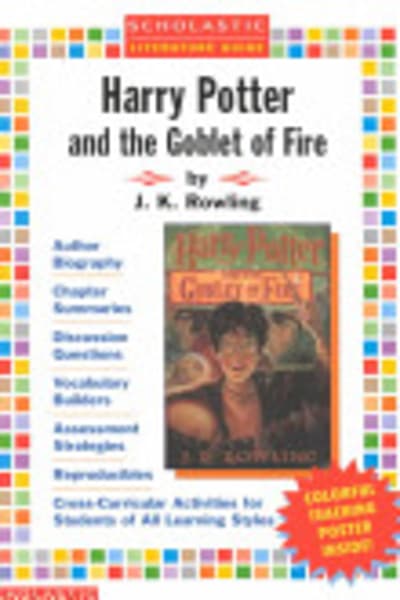
Harry Potter and the Goblet of Fire — Book Summary & Review
by J.K. Rowling
Last updated:
Harry Potter and the Goblet of Fire Summary
In Harry Potter and the Goblet of Fire, the “Triwizard Tournament” framework turns Hogwarts from a cozy school into a pressure cooker where every rule feels like a trap, and Rowling keeps escalating the stakes scene by scene. The plot kicks off with Harry returning for his fourth year, only to have his name pulled from the Goblet of Fire despite being ineligible, which forces him into a contest he didn’t ask for and can’t realistically refuse. What makes Rowling’s writing work here is how she braids spectacle with consequences: the tournament events aren’t just set pieces, they’re social detonators that reshape how students, faculty, and even Harry’s friends treat him.
A concrete example is the chapter “The Goblet of Fire,” where the book establishes the emotional logic of the injustice—Harry’s shock, Ron’s worry, Hermione’s insistence on evidence, and the adults’ tendency to hide behind procedure. Later, “The Riddle House” shows Rowling’s talent for mixing dread with problem-solving: the maze-like structure is fun, but it’s also a test of character under fear, and you feel how easily competence can become panic. The “Winky” thread also matters, because Rowling keeps reminding you that magical systems come with vulnerable people attached, not just heroes.
Rowling doesn’t fully step outside the series’ rhythm—if you’re allergic to school-year pacing, repeated homework-like explanations, and a lot of time spent on rumor and suspicion, you may find the middle drag. This book also doesn’t deliver a tidy moral reset; it ends with more questions than comfort, which is thrilling if you like momentum and frustrating if you want closure.
Key Takeaways from Harry Potter and the Goblet of Fire
-
1
Triwizard Tournament: A rule-based contest used to expose how institutions respond when a kid gets shoved into danger.
-
2
Goblet of Fire: A magical mechanism that functions like an unfair bureaucrat—once activated, it overrides common sense.
-
3
Ineligible Participant: Harry’s status forces the story to treat justice as something you fight for, not something you receive.
-
4
Riddle House: The maze sequence turns bravery into a practical skill, with choices driven by fear and logic.
-
5
Winky: House-elf suffering isn’t background texture; it reframes the tournament’s spectacle as real harm.
Who Should Read This
Someone who’s tired of fantasy where the rules magically protect the hero will like how Rowling makes danger follow paperwork and tradition. If you’ve ever felt singled out by a system that insists it’s “just following the rules,” you’ll probably recognize the emotional math in Harry’s predicament.
Who Shouldn't Read This
Someone who wants a tight, one-direction plot with minimal side threads will get annoyed by the book’s extended suspicions, rumors, and character detours. If you dislike school-year structure—classes, social politics, and slow-building dread—you may feel Rowling keeps returning to the same Hogwarts pressure cooker instead of sprinting forward.
Editor's Verdict
The single best thing this book does is make the Triwizard Tournament feel like both game and social sentence, especially in “The Goblet of Fire.” The real limitation is that Rowling’s middle relies heavily on investigation-by-teasing—lots of partial answers, shifting suspicions, and atmosphere over clean momentum. This hits hardest for anyone who’s just finished book three and is still emotionally invested in Harry, Ron, and Hermione as a unit while dreading what “adult authority” will do to them next.
Ready to read Harry Potter and the Goblet of Fire?
Get your copy on Amazon today.
Harry Potter and the Goblet of Fire — Frequently Asked Questions
About J.K. Rowling
J. K. Rowling is a British author born in 1965 in Yate, Gloucestershire, and raised in England and Scotland. She worked as a teacher and wrote the Harry Potter series while living in the UK. She is credible on this topic because she is the creator and author of the Harry Potter novels, including Harry Potter and the Goblet of Fire. Other notable works include the Cormoran Strike crime novels under the pen name Robert Galbraith.