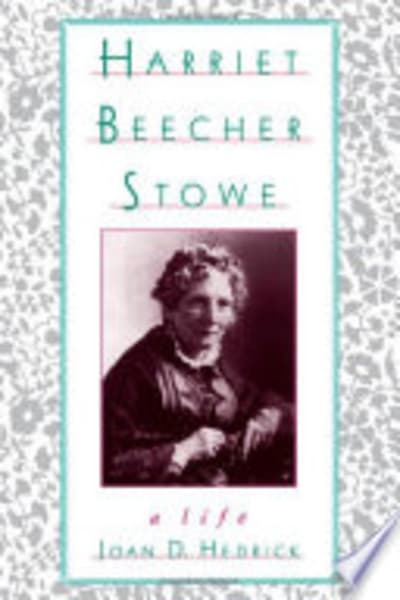
Harriet Beecher Stowe: A Life — Book Summary & Review
Last updated:
Harriet Beecher Stowe: A Life Summary
Joan D. Hedrick structures Harriet Beecher Stowe: A Life around the tension between “true womanhood” as a social script and Stowe’s decision to “meddle” with slavery in writing, and that push-pull is what keeps the biography from feeling like a museum placard. Hedrick walks through Stowe’s long apprenticeship in the Beecher household, then tracks how that moral upbringing shaped both the domestic setting and the moral machinery of Uncle Tom’s Cabin. One of the most useful concrete through-lines is Hedrick’s focus on Stowe’s parlor-society network—these informal abolitionist rooms weren’t backdrop; they were how Stowe’s ideas gained momentum, readers, and money for the work. Hedrick also leans hard on the grim physical reality of nineteenth-century motherhood: epidemics, high infant mortality, and the medical practices that could turn ordinary illness into disaster. The book’s emotional center is private tragedy colliding with public output, and Hedrick makes you feel the timeline of grief without letting it become melodrama.
If you want a specific example of where the biography sings, it’s Hedrick’s treatment of the period after Uncle Tom’s Cabin when Stowe becomes a public figure who still has to perform respectability as wife and mother. Hedrick repeatedly returns to how Stowe converted anguish into socially acceptable anger, and she does it by pairing family events—like the death of an eighteen-month-old son and the later drownings—with Stowe’s shifting public stance. The result is a biography that explains influence as a system: household belief, abolitionist infrastructure, and personal cost.
The limitation is also clear: Hedrick doesn’t offer a close, scene-by-scene literary analysis of Uncle Tom’s Cabin’s craft or disputed portrayals; if you’re hunting for arguments about racial representation at the level of particular passages, you’ll end up wanting more than this life-story provides.
Key Takeaways from Harriet Beecher Stowe: A Life
-
1
True womanhood: Hedrick shows how a rigid gender ideal shaped Stowe’s voice, pushing her toward “acceptable” moral authority.
-
2
Parlor societies: These gatherings functioned as Stowe’s real publishing engine, supplying audiences, networks, and sustained abolitionist pressure.
-
3
Uncle Tom’s Cabin publication: Hedrick treats the installment run (1851–1852) as an organized media event, not a solitary inspiration.
-
4
Motherhood’s physical costs: Epidemics, high infant mortality, and harsh medical practices frame Stowe’s life as bodily risk.
-
5
Public opinion as labor: Hedrick depicts Stowe’s career as ongoing social management—respectability, controversy, and family crises together.
Who Should Read This
Someone who’s wrestling with how moral conviction gets turned into public writing—especially when family life is full of grief—will find Harriet Beecher Stowe: A Life clarifying. If you’re trying to understand why Stowe’s reputation is both celebrated and disputed, Hedrick’s focus on networks and motherhood will hit hardest.
Who Shouldn't Read This
If you want a deep literary teardown of Uncle Tom’s Cabin’s language and racial portrayals, Hedrick’s biography won’t satisfy you because it stays mostly at the level of life, context, and reputation. If you dislike long contextual chapters about nineteenth-century social norms and women’s activism infrastructure, the book’s breadth may feel like too much scaffolding.
Editor's Verdict
The single best thing this book does is connect Stowe’s “true womanhood” upbringing to the practical abolitionist machinery of parlor societies, showing how Uncle Tom’s Cabin gained traction through real systems. The real limitation is that Hedrick doesn’t deliver sustained, passage-level analysis of Uncle Tom’s Cabin’s contested portrayals, so some readers will finish with questions about the text itself. Anyone who’s recently reread Uncle Tom’s Cabin and felt uneasy about its canon status will feel this book hit hardest right after that reread, when they’re ready to ask how Stowe became the author she did.
Ready to read Harriet Beecher Stowe: A Life?
Get your copy on Amazon today.
Harriet Beecher Stowe: A Life — Frequently Asked Questions
About Joan D. Hedrick
Joan D. Hedrick is a historian and author known for scholarship on Harriet Beecher Stowe. She has written extensively about Stowe’s life and historical context, drawing on primary sources and established research. Hedrick’s credibility comes from her focused academic work on Stowe and 19th-century American literature and culture. Her notable works include Harriet Beecher Stowe: A Life and The World of Harriet Beecher Stowe.