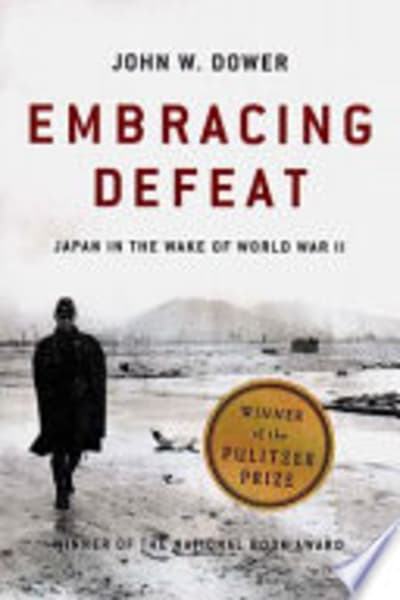
Embracing Defeat — Book Summary & Review
Last updated:
Embracing Defeat Summary
In Embracing Defeat, John W. Dower organizes the story around a blunt pivot: Japan’s postwar “starting over” is not a clean moral reset but a messy negotiation between old hierarchies and new American-designed realities, and Dower keeps returning to the friction point where both sides misunderstand what the other will accept. He moves through the occupation years (roughly 1945–1949 in focus, though the ripples extend) by tracking how policy decisions at the top—especially the fate and management of Emperor Hirohito—collide with daily life: food shortages, labor changes, gender expectations, and the shifting language of legitimacy. One of the book’s most memorable concrete through-lines is how occupation authorities pursue demilitarization and reform while Cold War logic quietly reorders priorities, turning earlier revolutionary aspirations into something more managerial and cautious.
Dower’s method is a big part of the payoff. He argues that defeat did not simply “happen” to Japan; it was processed through Japanese sources that reveal competing hopes and fears—some citizens wanting restoration of dignity, others demanding deeper rupture. He also shows how Americans, convinced they are installing democracy, still arrive with their own blind spots about how Japanese institutions and social bonds work. The result is a portrait of a society improvising under pressure, where slogans about peace coexist with anxieties about security and status.
A limitation: this is not a quick primer on postwar governance, and it can frustrate readers who want a tightly chronological narrative or a single, clean thesis they can summarize in a paragraph. Dower’s geographic and thematic breadth—political reform, cultural change, and cross-cultural misreadings—means you have to tolerate digressions and dense historical scaffolding to get the full effect.
Key Takeaways from Embracing Defeat
-
1
Embracing Defeat: Dower frames postwar change as a contested re-start, not a moral reset, with reforms constantly bargained over.
-
2
Occupation “Cold War Pax Americana”: American strategy shifts priorities once geopolitics hardens, reshaping what reform can realistically achieve.
-
3
Emperor Hirohito management: the emperor’s fate becomes a practical tool for stability, showing how symbolic authority steers policy outcomes.
-
4
Japanese source processing: Dower uses Japanese materials to surface competing civilian interpretations of defeat and reform.
-
5
Demilitarization vs radical reform: the book tracks how early hopes for deep transformation get narrowed by occupation realities.
Who Should Read This
Someone who’s wrestling with how societies rebuild legitimacy after catastrophe—whether after war, collapse, or forced regime change—will find Dower’s account painfully relevant. If you’re the kind of reader who wants the “how did people actually live through it?” angle rather than only high-level policy history, Dower will reward you.
Who Shouldn't Read This
If you want a streamlined, chapter-by-chapter narrative with minimal context, this book will feel heavy and occasionally circuitous. If you’re mainly searching for a modern, how-to framework for political change, Dower’s granular historical scope will frustrate you.
Editor's Verdict
The single best thing Embracing Defeat does is show, with specific texture, how the occupation’s reform agenda collided with Japanese interpretations of defeat—especially around the handling of Emperor Hirohito and the early-demilitarization promises. The real limitation is its breadth: it doesn’t prioritize a clean, chronological story or a single takeaway you can carry around easily. This hits hardest for anyone who loves postwar history but hasn’t yet felt how Cold War incentives can quietly reroute “democratization” goals midstream.
Ready to read Embracing Defeat?
Get your copy on Amazon today.
Embracing Defeat — Frequently Asked Questions
About John W. Dower
John W. Dower (born 1938) is an American historian and professor known for scholarship on Japan and U.S.–Japanese relations. He teaches at the Massachusetts Institute of Technology and has written extensively on World War II and its aftermath, including how wartime propaganda shaped public understanding. His expertise and long research record make him credible on the themes of defeat and postwar transformation. Other notable works include War Without Mercy and Japan in War and Peace.