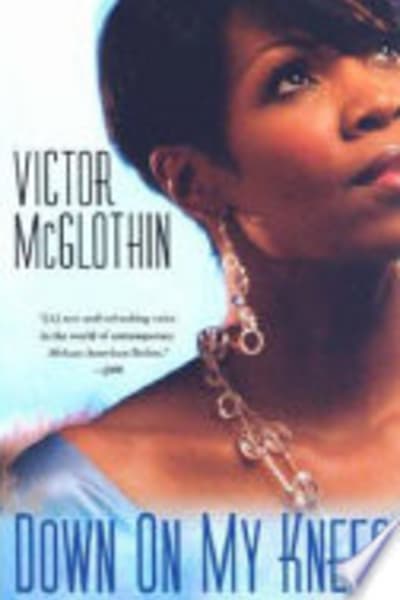
Down on My Knees — Book Summary & Review
Last updated:
Down on My Knees Summary
Down on My Knees is built around a specific religious-romance engine: a celibacy vow that keeps getting tested when C.1 ST. AID B & T. 01-17-2008. $15.00 meets everyday life, and Victor McGlothin refuses to treat that friction as background noise. The book centers on a single mother navigating faith, desire, and the social fallout of choosing celibacy, then uses that setup to press on one question: what does “waiting” cost when you’re not waiting in a vacuum? McGlothin’s structure leans into repeated confrontations—private prayer, public judgment, and the slow erosion of “I can handle this” optimism—so the romance plot doesn’t progress on chemistry alone. There’s a recurring tension in how the heroine interprets her own boundaries: not as punishment, but as a moral line she keeps redrawing after each new heartbreak. One concrete moment that defines the tone is the vow re-commitment scene that follows a humiliating relationship setback, where McGlothin basically argues that celibacy isn’t the absence of longing; it’s the choice to keep longing pointed in a direction that won’t destroy your life. He also threads in community pressures, especially around African American womanhood and respectability politics, which means the love story keeps colliding with identity rather than floating above it.
Honest limitation: this novel is not trying to be subtle or psychologically experimental. If you want intricate prose, experimental structure, or a romance that moves primarily through banter and gradual mutual seduction, McGlothin will feel preachy and repetitive. The payoff is moral clarity and emotional persistence, not literary surprise.
Key Takeaways from Down on My Knees
-
1
Celibacy vow as plot engine: McGlothin makes abstinence the active force driving decisions, not a side detail.
-
2
Single-mother faith pressure: the heroine’s motherhood changes how prayer, temptation, and community judgment play out.
-
3
Re-commitment scenes: McGlothin repeatedly stages vow resets after relational setbacks to test sincerity over time.
-
4
Respectability politics in dialogue: African American women’s social scrutiny shapes romantic options and self-trust.
-
5
Prayer vs. desire framing: longing is treated as real and rerouted, not erased by willpower.
Who Should Read This
Someone who is raising kids while trying to stay faithful to a boundary—whether celibacy or any hard moral line—will feel the book’s emotional logic. If you’ve recently had a relationship blow up and you’re exhausted by guilt spirals, McGlothin’s focus on re-committing will hit hardest.
Who Shouldn't Read This
If you want romance built mainly from witty chemistry and gradual, sensual escalation, this will frustrate you because the vow takes center stage. If you dislike religious messaging that repeats themes through scene after scene, McGlothin’s approach will feel heavy-handed rather than layered.
Editor's Verdict
The single best thing Down on My Knees does is treat celibacy as an ongoing decision with consequences, especially in the vow re-commitment sequence after a public relationship setback. The real limitation is that McGlothin leans on repeated moral confrontation beats instead of fresh formal craft or surprise character turns. This will hit hardest for someone newly single and mid-faith struggle, the moment you’re deciding whether your standards are strength or self-sabotage.
Ready to read Down on My Knees?
Get your copy on Amazon today.
Down on My Knees — Frequently Asked Questions
About Victor McGlothin
Victor McGlothin is the author of Down on My Knees. He writes from personal experience with Christian faith and prayer, drawing on his own spiritual journey to address themes of humility and dependence on God. His credibility comes from firsthand involvement in the practices and beliefs discussed in the book. Other notable works by McGlothin are not reliably documented in widely available sources.