Command and Control — Book Summary & Review
Last updated:
Command and Control Summary
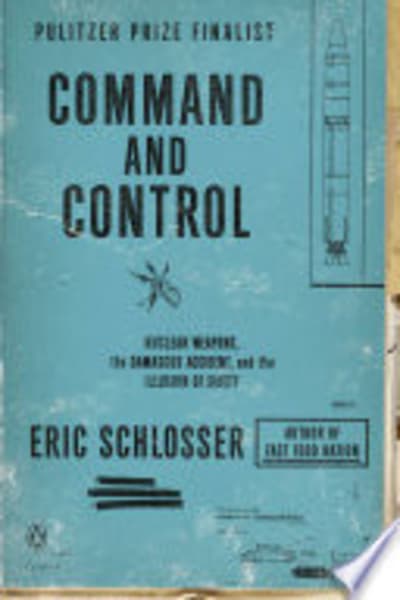
In 'Command and Control', Schlosser meticulously examines the 1980 Damascus Titan missile explosion, using it as a lens to explore the broader issues of nuclear safety. The book is structured around a series of gripping narratives and detailed analyses, like the chapter 'The Damascus Accident', which dissects the potential for catastrophe inherent in nuclear weapon management. Schlosser introduces the term 'Normal Accidents', arguing that complex systems like nuclear arsenals are prone to failure despite safeguards. However, the book doesn't provide a comprehensive solution to nuclear safety, which might leave those seeking definitive answers frustrated. Schlosser's deep dive into the bureaucratic and technological snafus around nuclear armament is a compelling narrative for history buffs but may overwhelm casual readers with its dense detail and technical jargon.
Key Takeaways from Command and Control
-
1
The Damascus Accident: A missile explosion in 1980 highlights systemic vulnerabilities in nuclear weapon management.
-
2
Normal Accidents: Schlosser argues that complex systems like nuclear arsenals are inherently prone to failure.
-
3
Broken Arrows: These are incidents involving nuclear weapons that could have led to catastrophic outcomes.
-
4
Strategic Air Command: The book details this organization's role in maintaining nuclear readiness and its inherent challenges.
-
5
Titan II Missile: Schlosser provides an in-depth look at this missile's design flaws and the potential for disaster.
Who Should Read This
If you're grappling with understanding the complexities of nuclear safety and the historical context of Cold War politics, this book will enlighten you. Someone who appreciates in-depth investigative journalism and gripping historical narratives will find this book engaging.
Who Shouldn't Read This
If you're looking for a quick, light read, this isn't for you. The book's extensive detail and technical depth may deter those not deeply interested in military history or nuclear policy.
Editor's Verdict
The best aspect of Schlosser's work is his ability to weave together real-life incidents like the Damascus explosion into a gripping narrative. However, the book's exhaustive detail can be overwhelming for readers not well-versed in military jargon. Anyone with a keen interest in Cold War history and nuclear policy will find this book particularly compelling when exploring the intricacies of military oversight and technological mishaps.
Ready to read Command and Control?
Get your copy on Amazon today.
Command and Control — Frequently Asked Questions
About Eric Schlosser
Eric Schlosser is an American journalist and author, renowned for his investigative works. He holds a degree in American History from Princeton University and a graduate degree in British Imperial History from Oxford University. Schlosser's credibility on nuclear weapons and safety is established through his extensive research for "Command and Control." He is also known for "Fast Food Nation," which examines the fast food industry, and "Reefer Madness," exploring the underground economy.